


STORMWATER CULVERT
OVERVIEW
Southeast of downtown Memphis, Johns Creek passes through a series of seven 10-ft-diameter corrugated metal culverts that run beneath a major intermodal railyard. BNSF Railway selected two of the ageing stormwater culverts for structural rehabilitation using LOCTITE GeoSpray spray-applied pipe lining (SAPL). The work had to be delivered within an active rail environment, with limited space and a requirement to minimise disruption to yard operations.
Spray-applied geopolymer lining restored two large-diameter stormwater culverts while preserving hydraulic capacity.
- 120 in culvert
- 2,800 Linear ft
- 2.6 in design thickness
- 2.6 Million lbs of material used
THE CHALLENGE
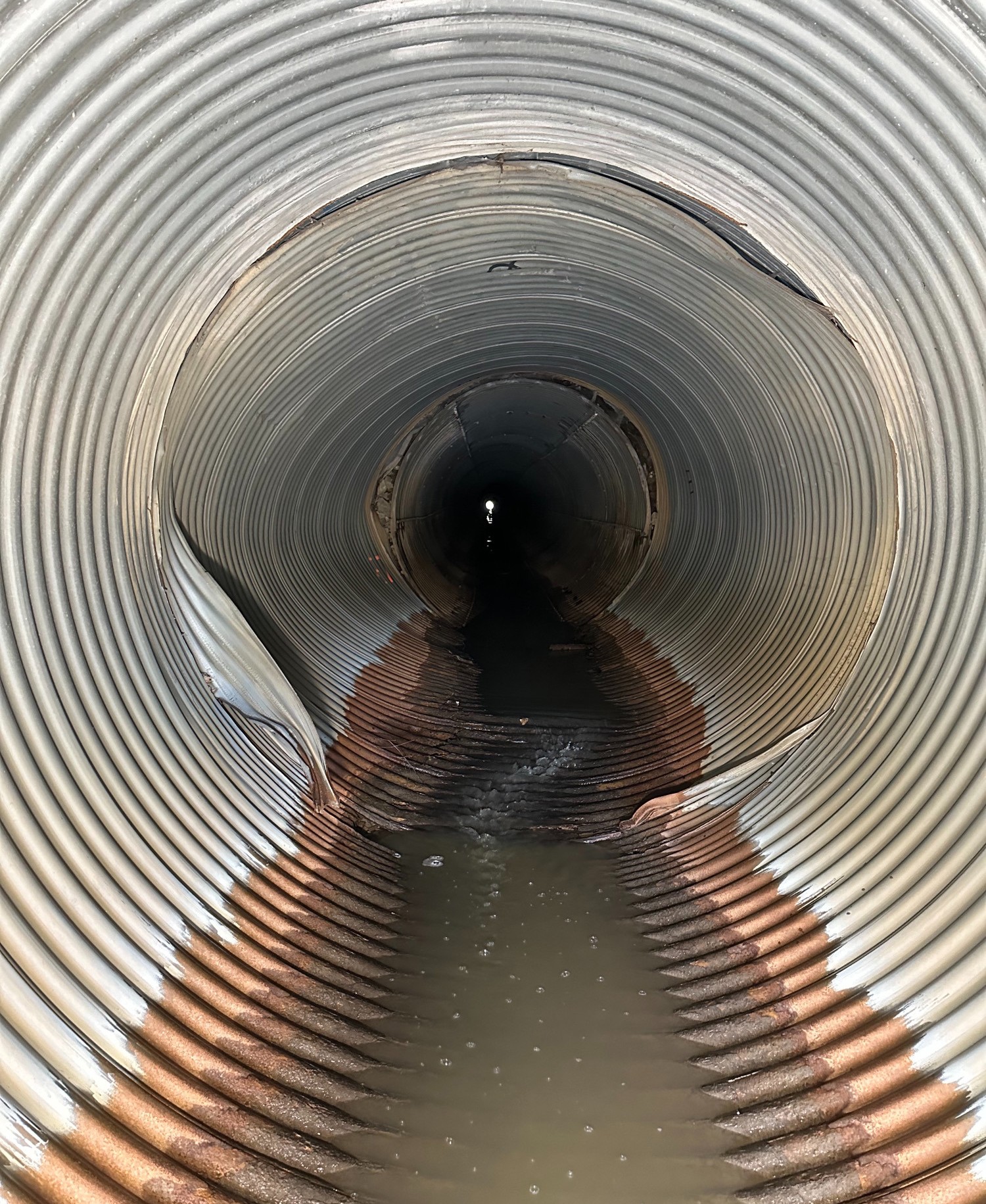
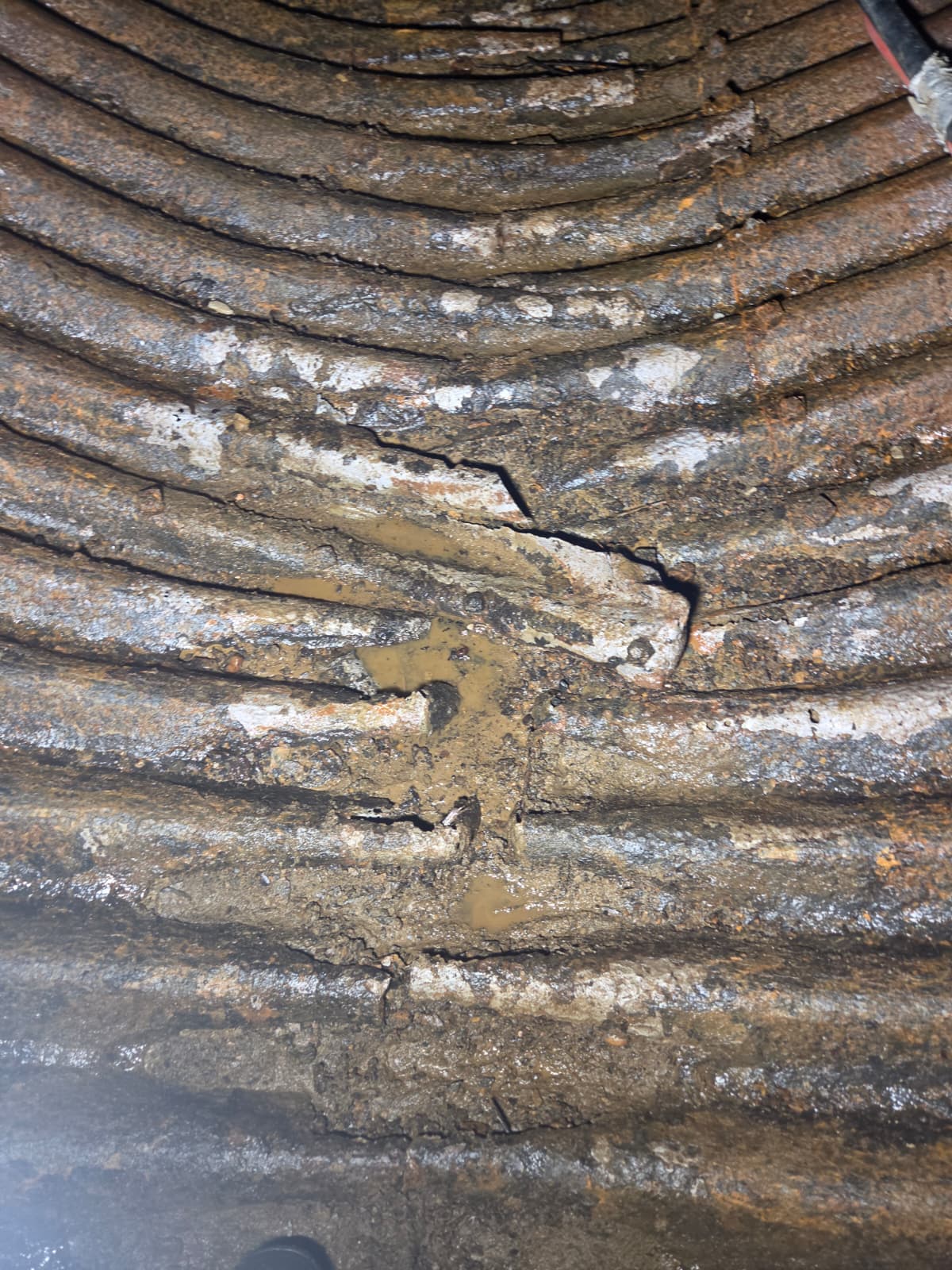
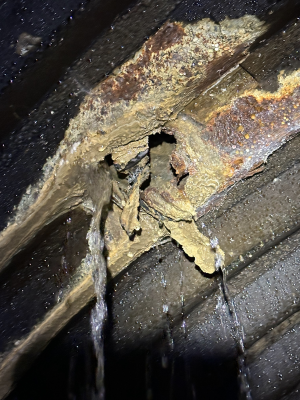
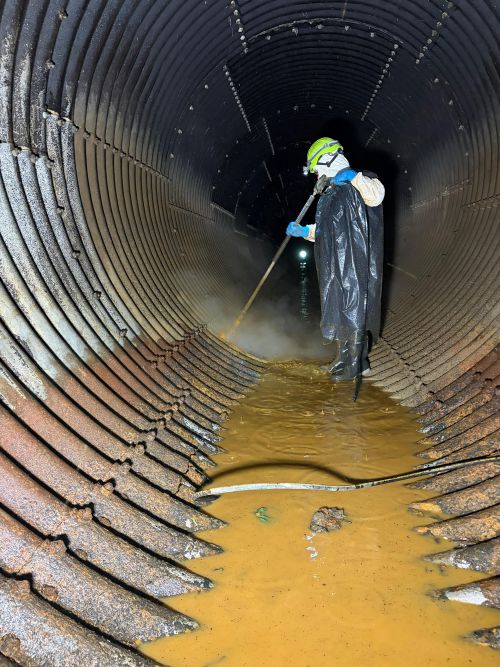
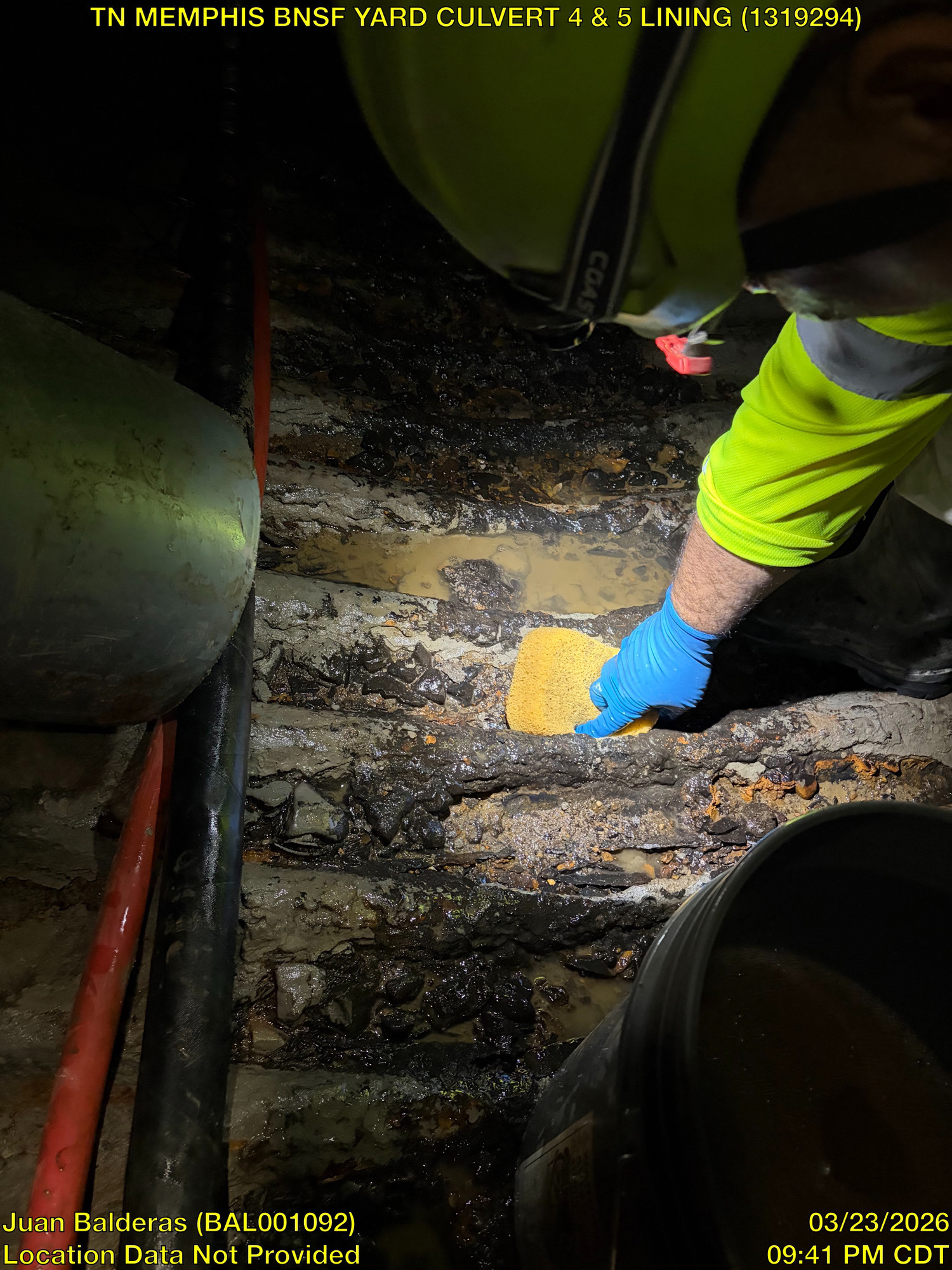
The culverts were more than 60 years old and showed deterioration that included failures in the corrugated metal pipe, debris, leakage, invert damage and voids. Continued deterioration presented a risk because active tracks and critical yard operations were located above the crossing.
Other culverts at the site had previously been slip-lined using steel or HDPE sections. For the new work, the project team evaluated a structural rehabilitation approach that could reduce construction footprint, simplify environmental permitting and retain more of the original culvert capacity.
SOLUTION SELECTION AND DESIGN
BNSF served as owner and engineer of record, while PURIS Corporation carried out the installation as Henkel’s applicator partner. LOCTITE GeoSpray geopolymer mortar was selected as a full structural, trenchless rehabilitation system. The material can be spray applied directly to irregular substrates and was suited to the large diameter, access constraints and operational requirements of the site.
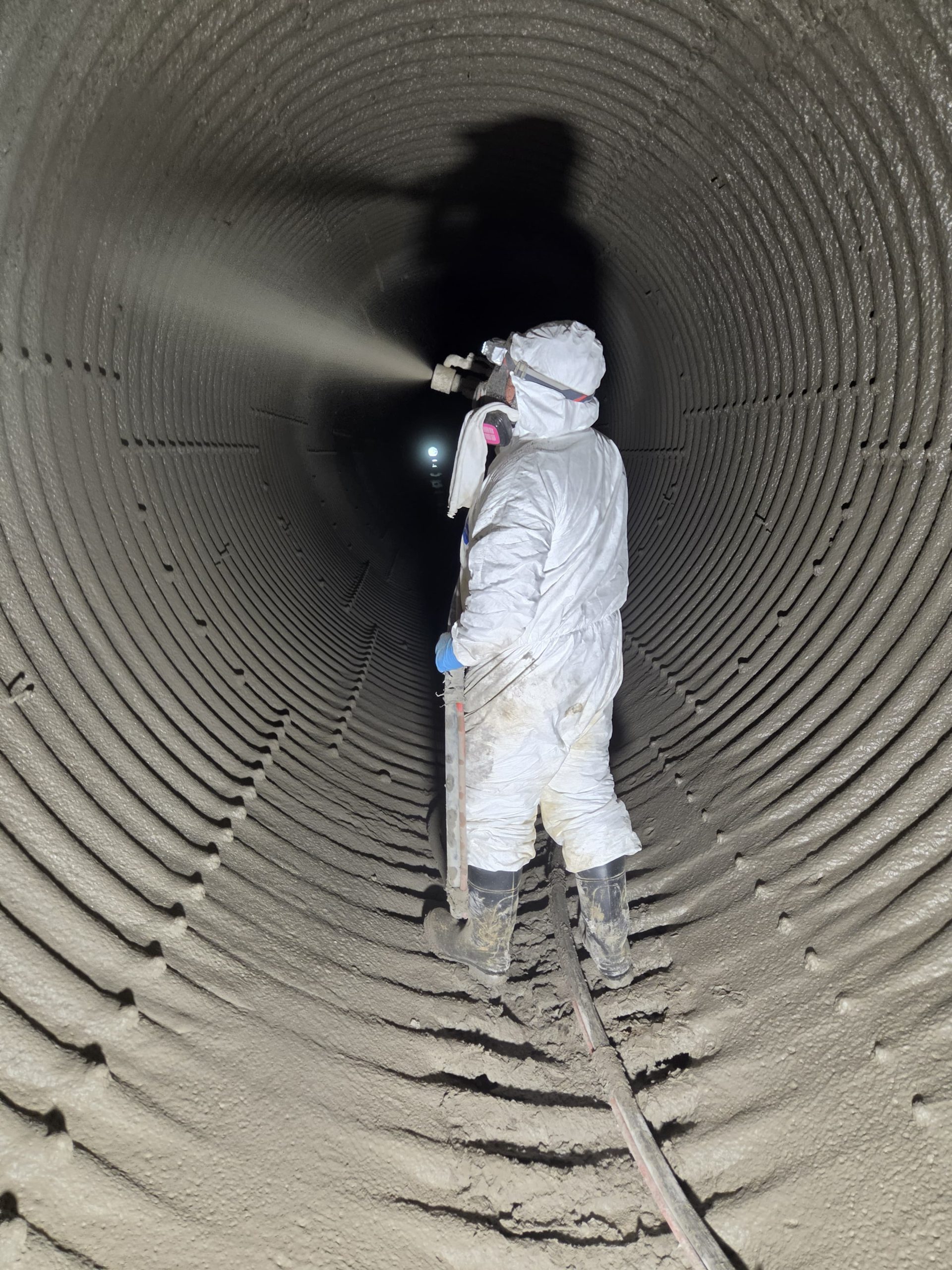
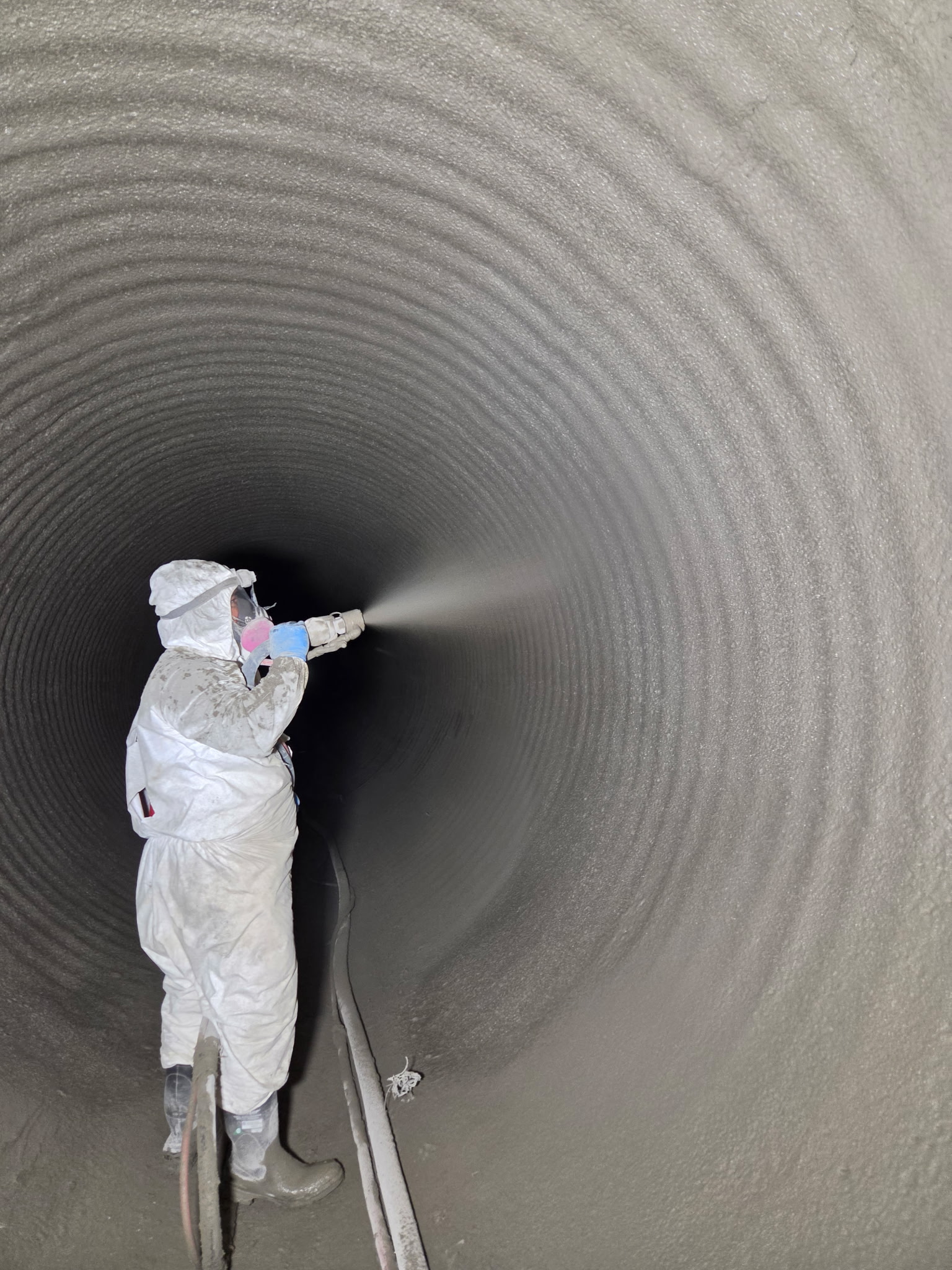
The SAPL design used the distributed beam method and assumed a fully deteriorated host pipe under standard E80 railroad loading. The final design basis included 120-in pipe diameter, 5.5 ft depth of cover and a minimum lining thickness of 2.6 in.
The project team identified cost and operational effectiveness, a compact site footprint, easier environmental permitting and reduced loss of hydraulic capacity as key decision factors.
PREPERATION AND INSTALLATION
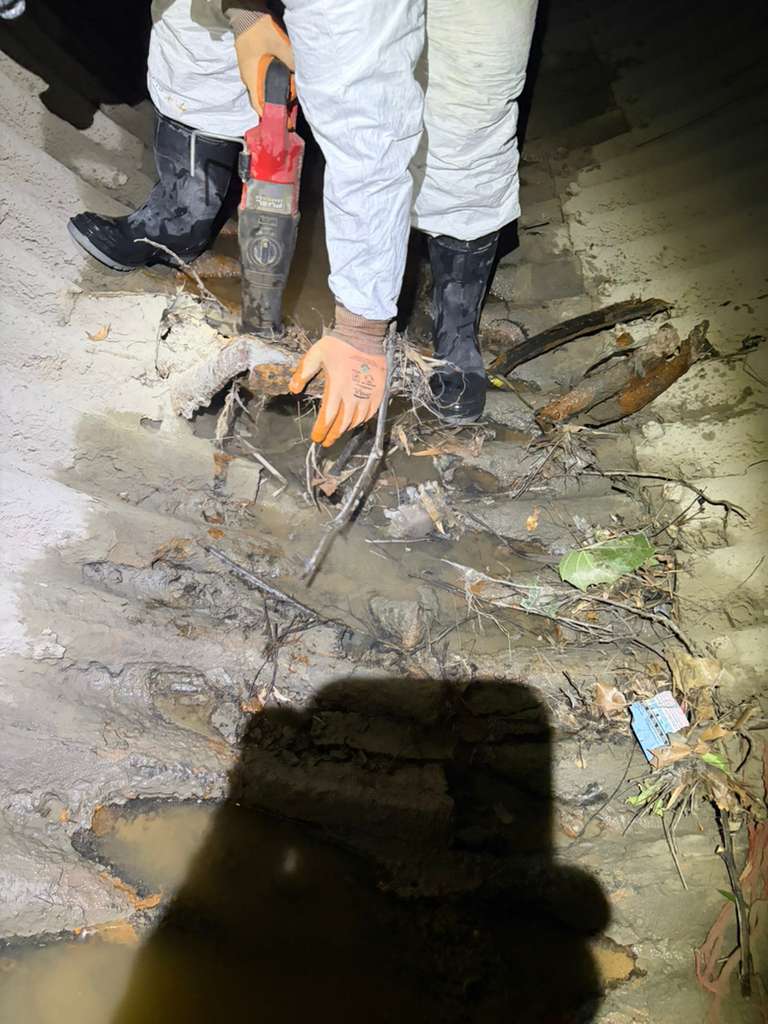
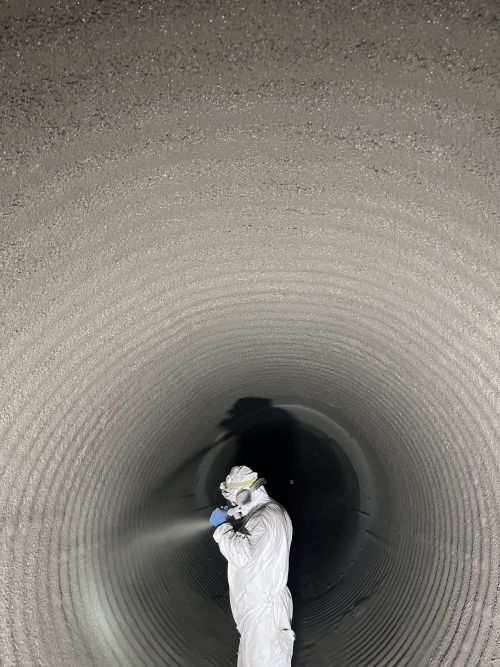
Successful installation depended on correct preparation of the host pipes before the structural lining was applied. The works included cleaning, debris removal, plugging leaks, filling voids and repairing the invert. An Outfall void was repaired with structural foam.
LOCTITE GeoSpray was then spray applied around the full circumference to build the specified structural thickness.
PROJECT OUTCOMES
The project was completed two weeks ahead of schedule despite 33 crew days lost to weather, travel restrictions, illness and damage to a BNSF water main. The new lining had minimal hydraulic impact on the flow, and reduced the water area significantly less than the Slip-Linning approach. The works did not alter the inlet banks or creek-bed profiles, helping maintain the existing flow paths.
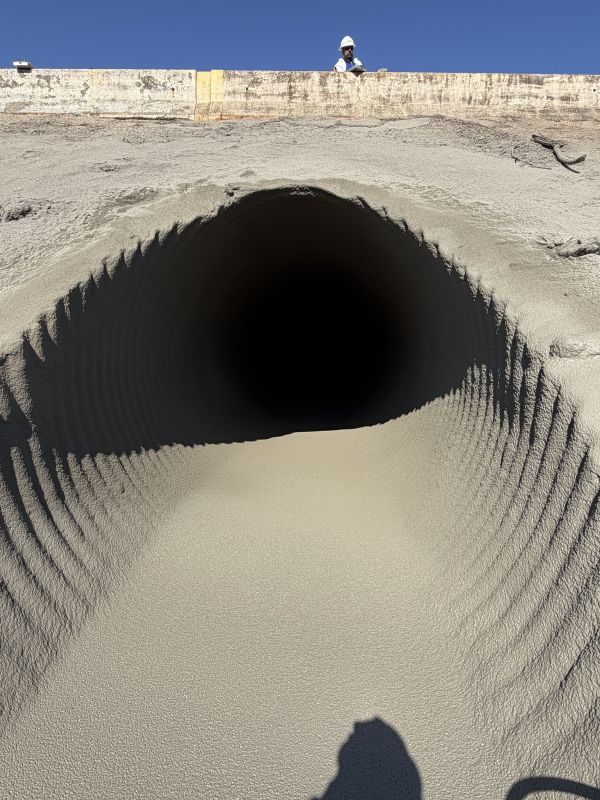
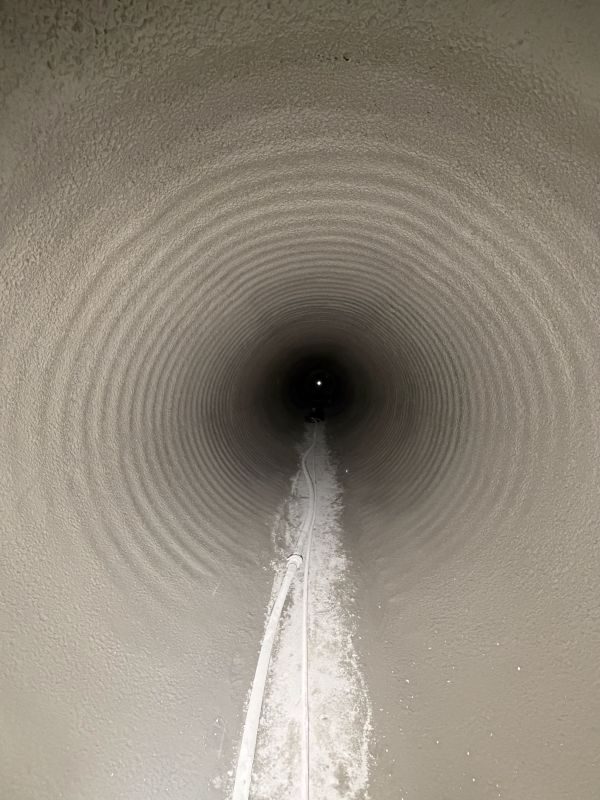
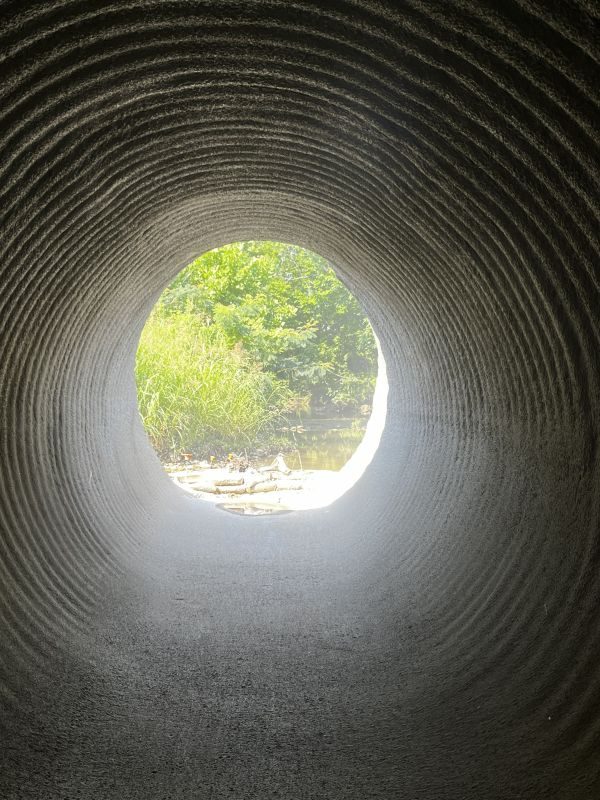
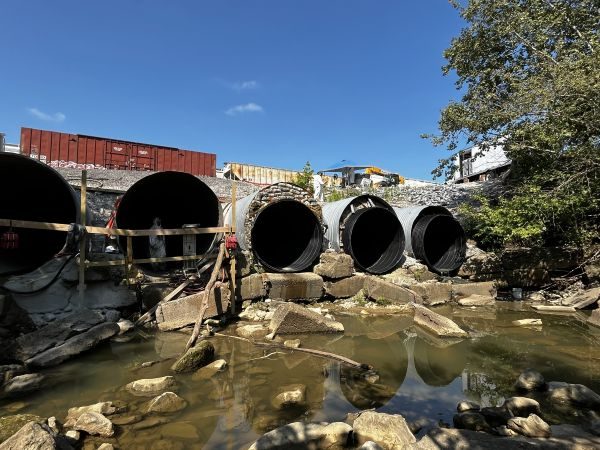
Previously slip-lined culverts show significantly reduced capacity compared with spray applied lining
Interesting in achieving similar results?
Get in touch with our experts to explore the right solution for you needs...