


SANITARY/STORM SEWER
OVERVIEW
When the City of Berkeley identified significant deterioration within portions of the historic Strawberry Creek culvert system, it faced the challenge of rehabilitating aging underground infrastructure while preserving an environmentally sensitive waterway, minimizing disruption to residents and businesses, and avoiding costly open-cut excavation.
Through a collaborative effort involving the City of Berkeley, engineering consultants, environmental regulators, and GeoTree, the project team selected LOCTITE GeoSpray 61 geopolymer to structurally rehabilitate approximately 1,800 linear feet of large-diameter culvert infrastructure. The result was a fully structural trenchless rehabilitation solution designed to extend the system's service life by more than 50 years while maintaining environmental stewardship and community continuity.
PROJECT DETAILS
- Location: Berkeley, California
- Owner: City of Berkeley Public Works
- Technology: LOCTITE GeoSpray 61 Geopolymer Spray
- Applied Pipe Lining (SAPL)
- Project Length: Approximately 1,800 LF (Phase 1)
- Structure Types:
- Reinforced and unreinforced concrete culverts
- Horseshoe-shaped culverts ranging from five to seven feet high and eight feet wide
- 90-inch diameter pipe section
- Depth: Approximately 20 feet below grade
- Design Service Life: 50+ years
THE CHALLENGE
Strawberry Creek is the principal watercourse within Berkeley's second-largest watershed. While portions of the creek remain open through the University of California, Berkeley campus, much of the waterway west of campus was enclosed in concrete culverts constructed between the 1920s and 1940s.
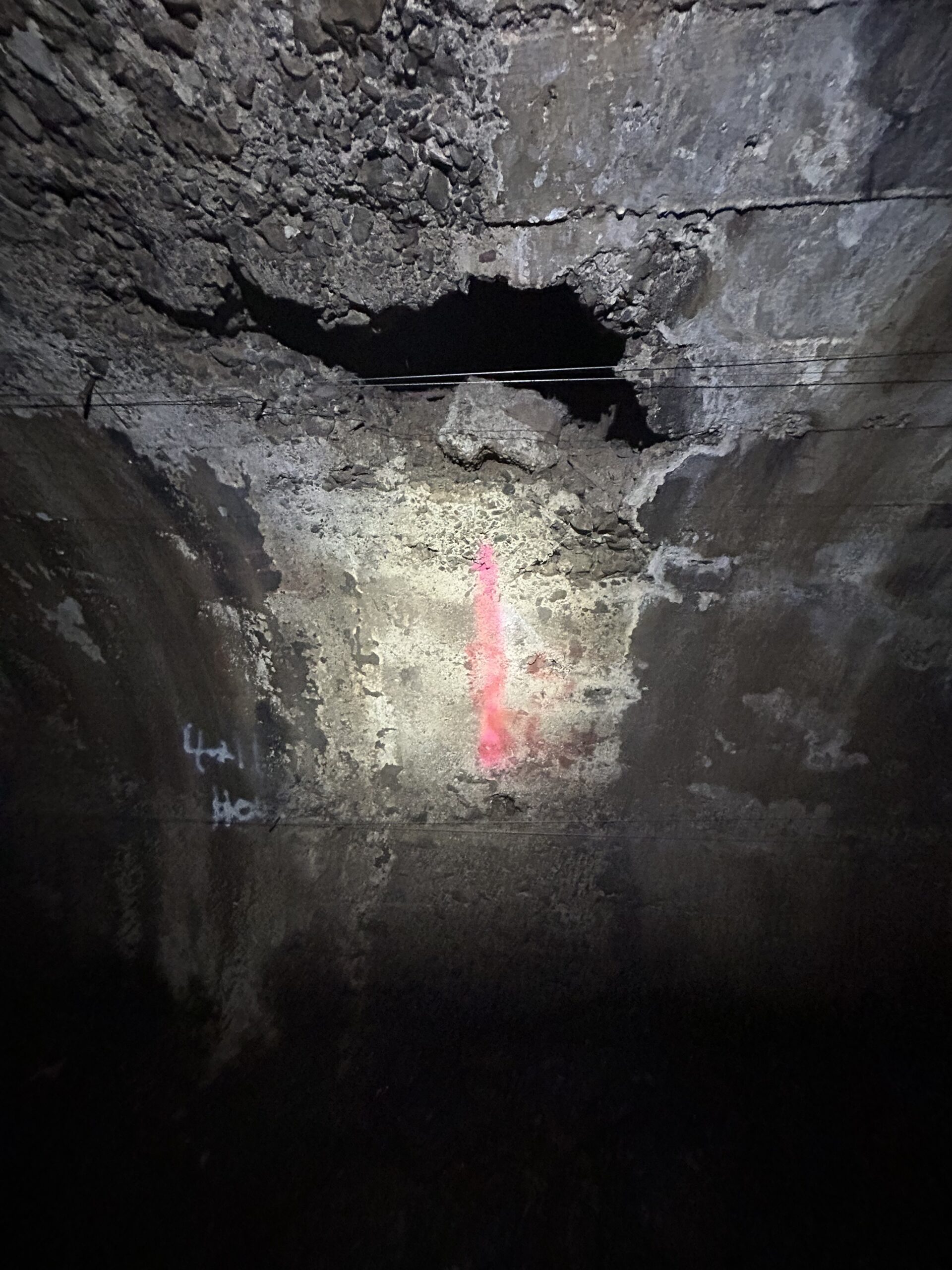
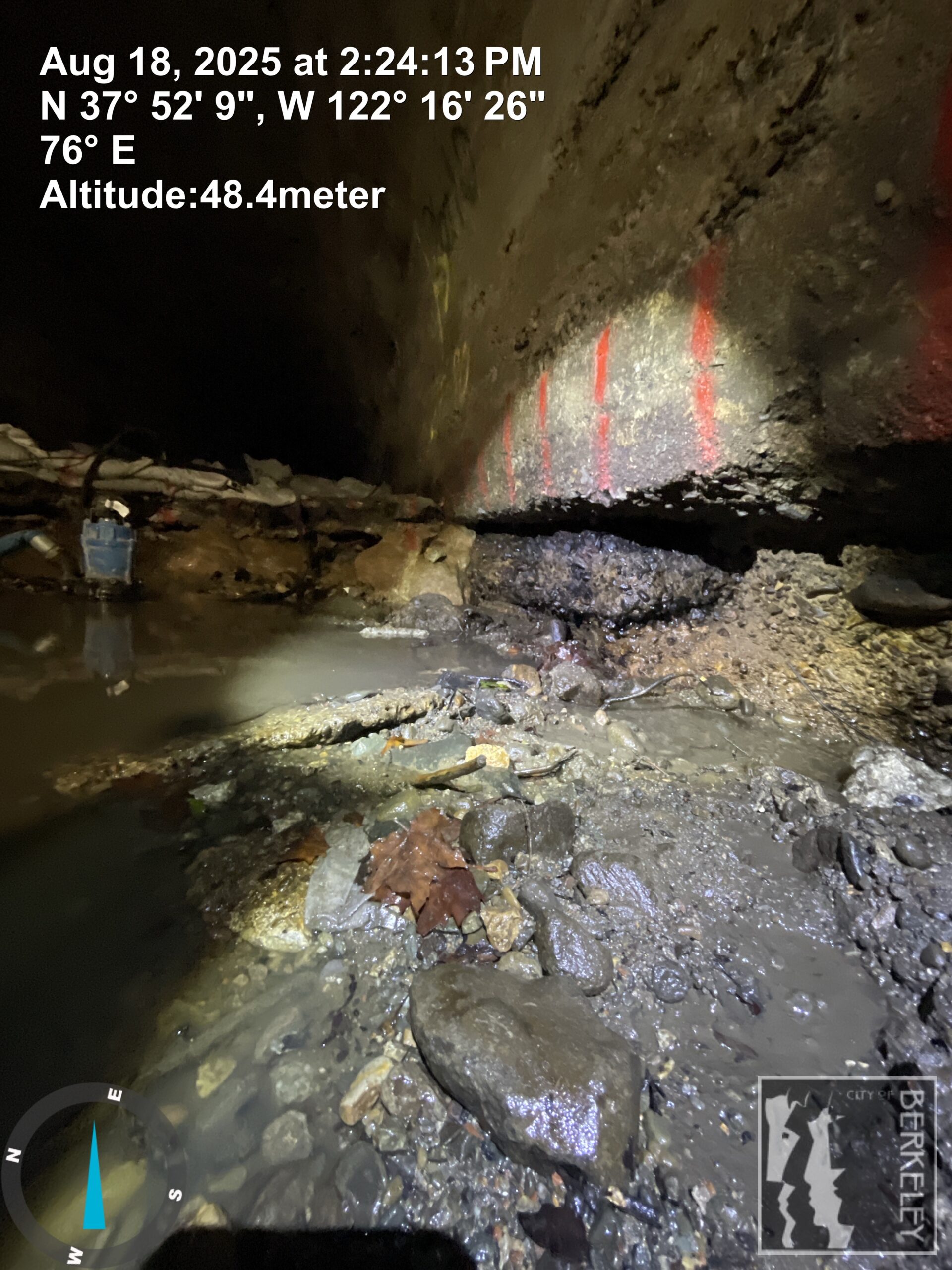
Routine inspections conducted between 2022 and 2023 revealed widespread deterioration, including longitudinal crown cracking, transverse wall cracking, concrete scaling and delamination, spalling and loss of section, exposed reinforcement, missing invert sections and structural voids beneath the culvert.
The system carries significant stormwater volumes, with typical flows reaching 100 to 200 cfs and historical peak events exceeding 6,000 cfs. Open-cut replacement was quickly ruled out due to dense urban development, major traffic corridors, existing utilities, high rehabilitation costs, environmental concerns and the potential impacts to aquatic habitats and water quality. The city needed a trenchless rehabilitation solution capable of providing full structural renewal while maintaining hydraulic performance and protecting the surrounding community.
COMPREHENSIVE EVALUATION AND DESIGN
Before selecting a rehabilitation method, the project team completed an extensive assessment program that included visual structural inspections, delamination surveys, surface penetrating radar (SPR) investigations, concrete core sampling, strength testing, petrographic analysis and structural modeling and condition assessments.
The investigation confirmed that most culvert sections required full structural rehabilitation rather than localized repairs. GeoTree's design approach used the distributed beam load over a partial ring model and complied with ASTM F3706 requirements for fully structural geopolymer lining systems.
ENVIRONMENTAL AND REGULATORY CONSIDERATIONS
Because Strawberry Creek is designated as critical habitat and a valuable environmental resource, regulatory compliance was among the project's most demanding requirements. The project required coordination with multiple agencies (San Francisco Bay Regional Water Quality Control Board, California Department of Fish and Wildlife (CDFW) and California Environmental Quality Act (CEQA) agencies) and key environmental requirements included seasonal construction restrictions, weather limitations, ecotoxicity testing and water quality protection.
WHY LOCTITE GEOSPRAY 61 WAS SELECTED
The team evaluated multiple trenchless rehabilitation technologies, including spray applied pipe lining (SAPL), cured-in-place pipe (CIPP) and sliplining. Each technology was scored against project-specific performance criteria, including hydraulic capacity preservation, access requirements, environmental impact, community disruption, structural capability, installation flexibility, cost and excavation requirements. LOCTITE GeoSpray 61 SAPL achieved the highest overall ranking and was selected because it offered full structural rehabilitation, minimal loss of hydraulic capacity, reduced environmental risk, adaptability to complex geometries and reduced community disruption.
CONSTRUCTION EXECUTION
The rehabilitation program involved a multi-step structural renewal process.
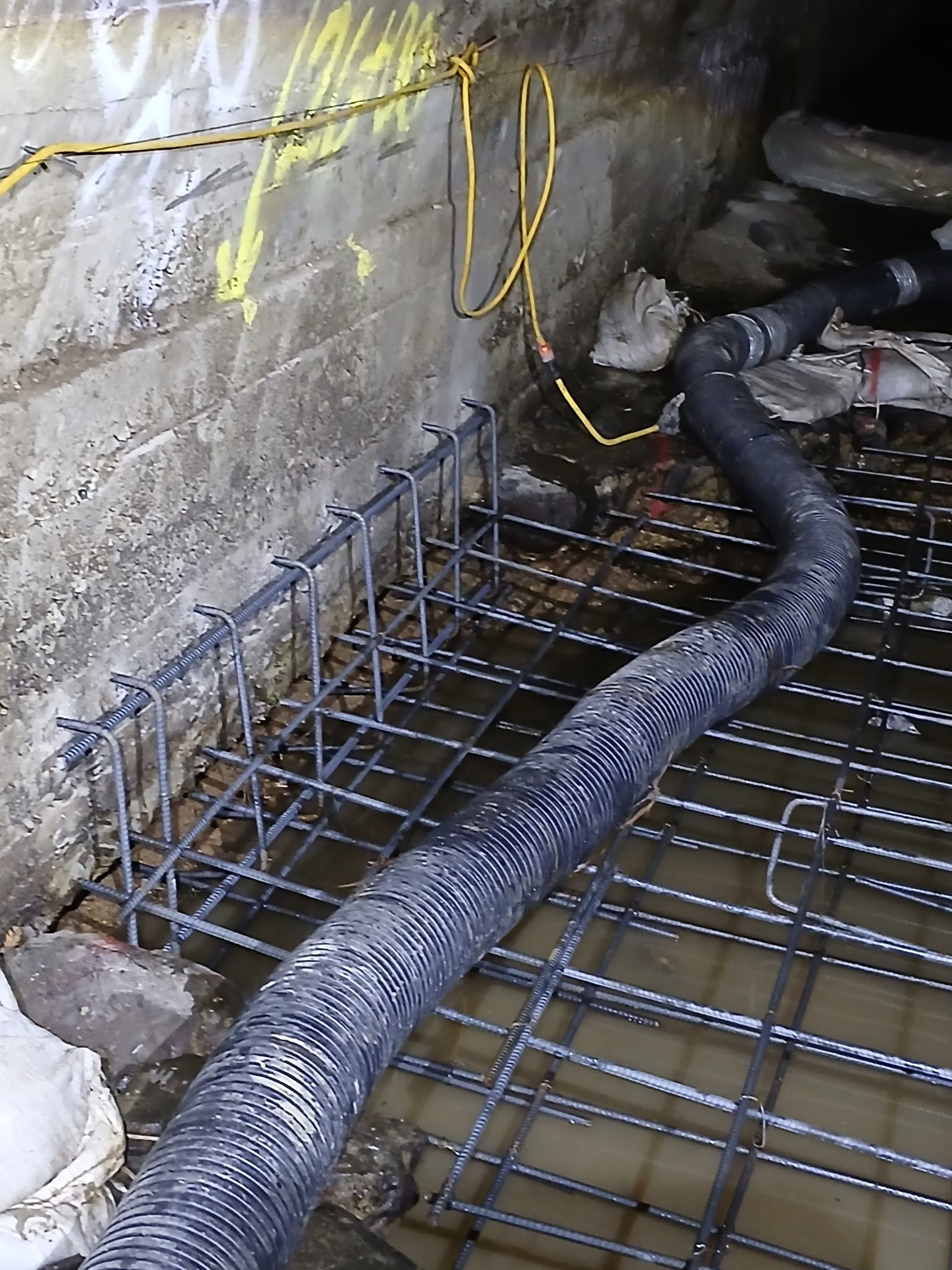
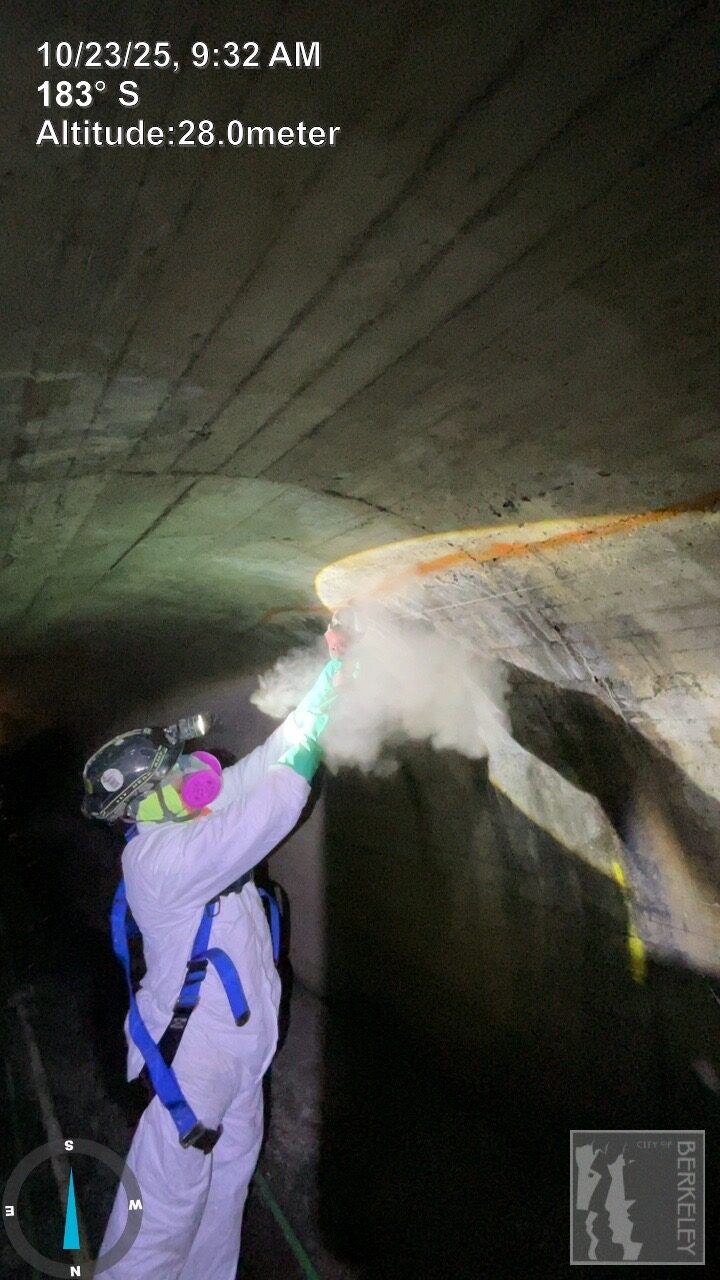
Ground Stabilization and Void Filling - Chemical and cementitious grouting were used to:
- Seal infiltration pathways
- Stabilize surrounding soils
- Fill voids beneath the invert
- Restore load transfer capability
- Missing invert sections
- Structural defects
- Areas with significant loss of material
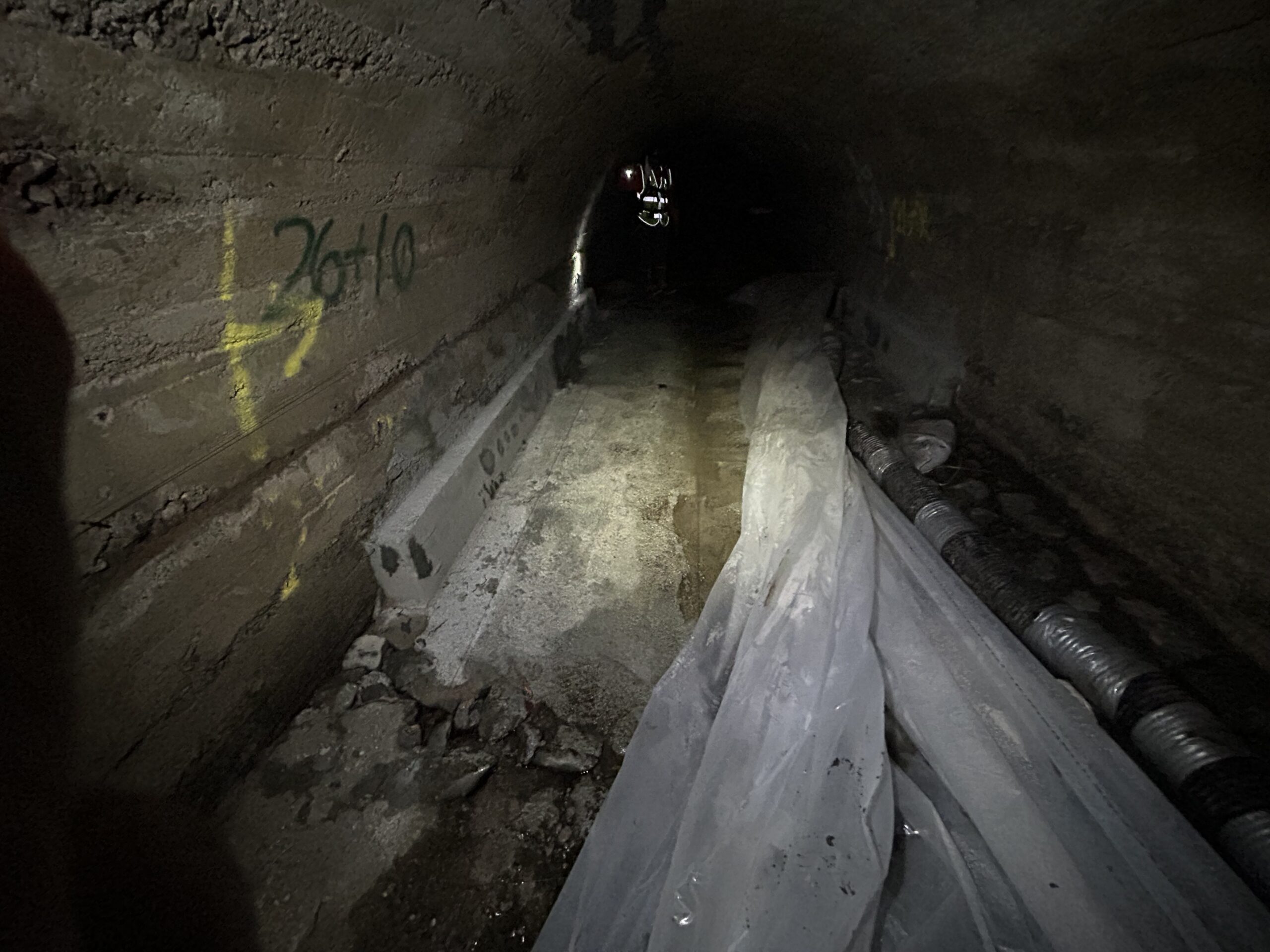
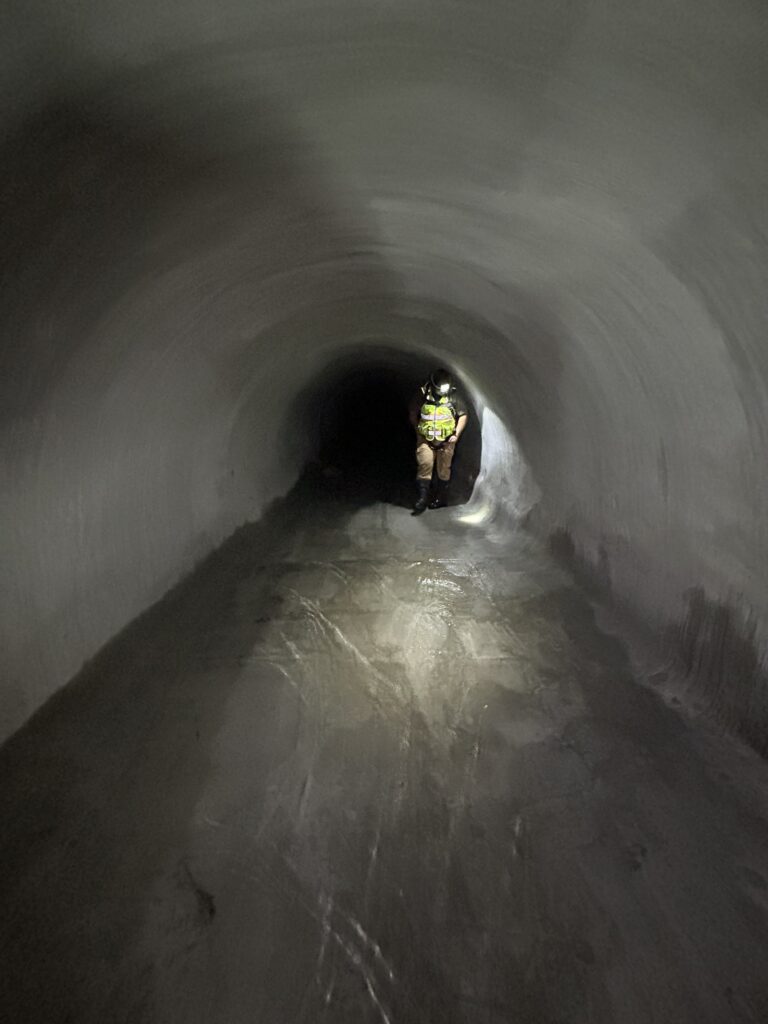
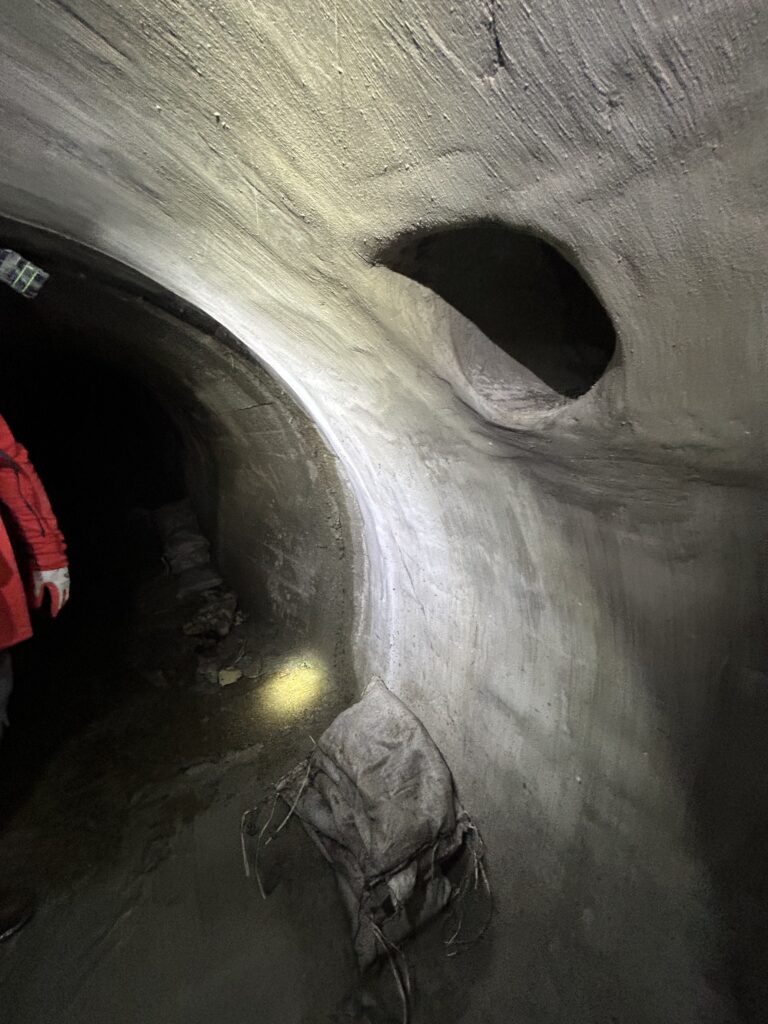
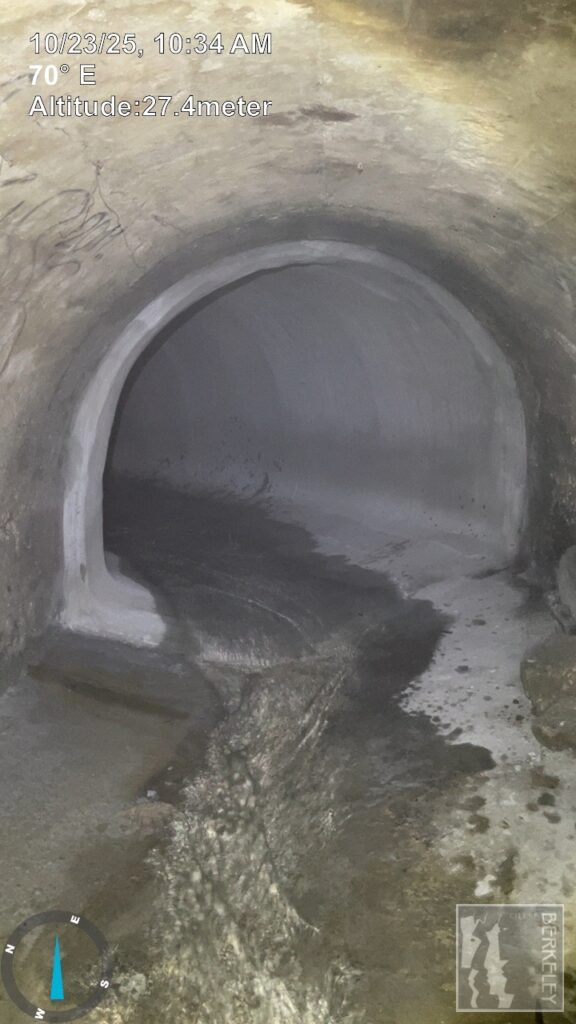
LOCTITE GeoSpray 61 Installation - Following repairs, certified ACI nozzlemen installed a continuous 2-inch-thick LOCTITE GeoSpray 61 geopolymer lining throughout the rehabilitated sections. The lining restored:
- Structural integrity
- Long-term durability
- Hydraulic efficiency
RESULTS
The Strawberry Creek rehabilitation project highlights the value of LOCTITE GeoSpray 61 as a fully structural, environmentally responsible trenchless solution for large-diameter culverts and stormwater infrastructure. Faced with aging concrete structures, strict environmental regulations, and challenging urban conditions, the project team delivered a long-term asset management solution that protected both critical infrastructure and one of Berkeley's most important natural resources.
By combining structural geopolymer lining, targeted grouting, defect reconstruction, and rigorous environmental controls, the City of Berkeley has positioned the Strawberry Creek conveyance system to serve its community reliably for decades to come.