SANITARY/STORM SEWER
SCOPE OF WORK
- 1,600 manholes rehabilitated
- 6,900 vertical feet restored
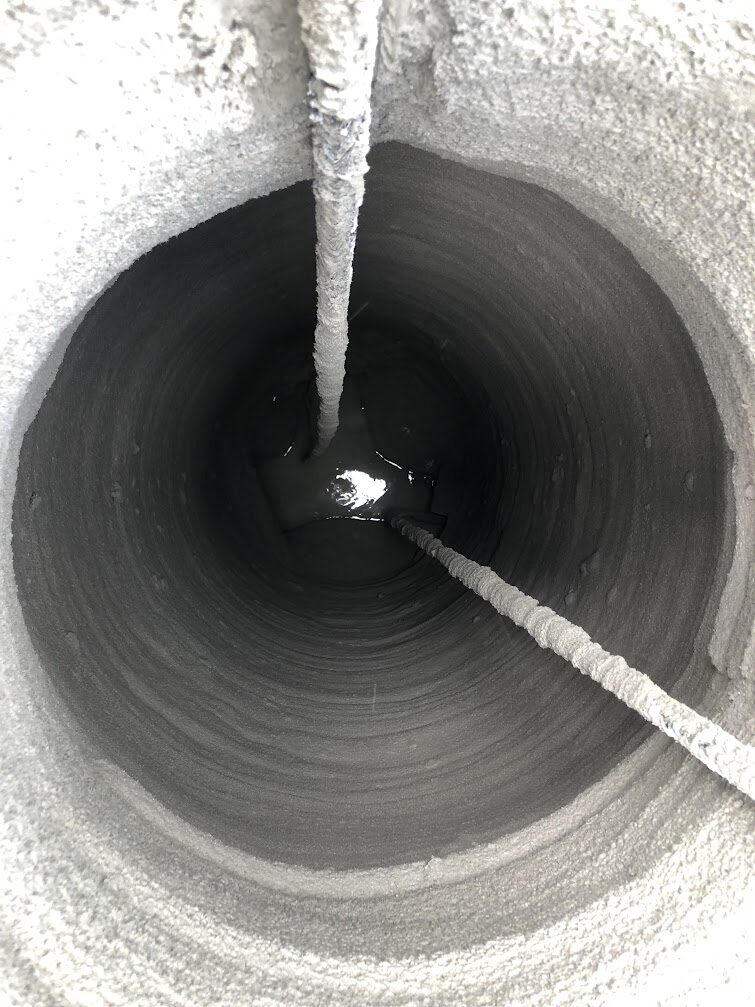
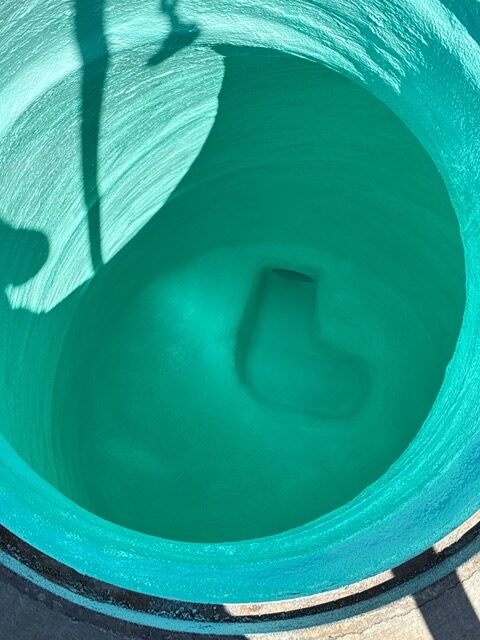
- Approximately 80,000 square feet of LOCTITE GeoSpray geopolymer lining installed
OVERVIEW
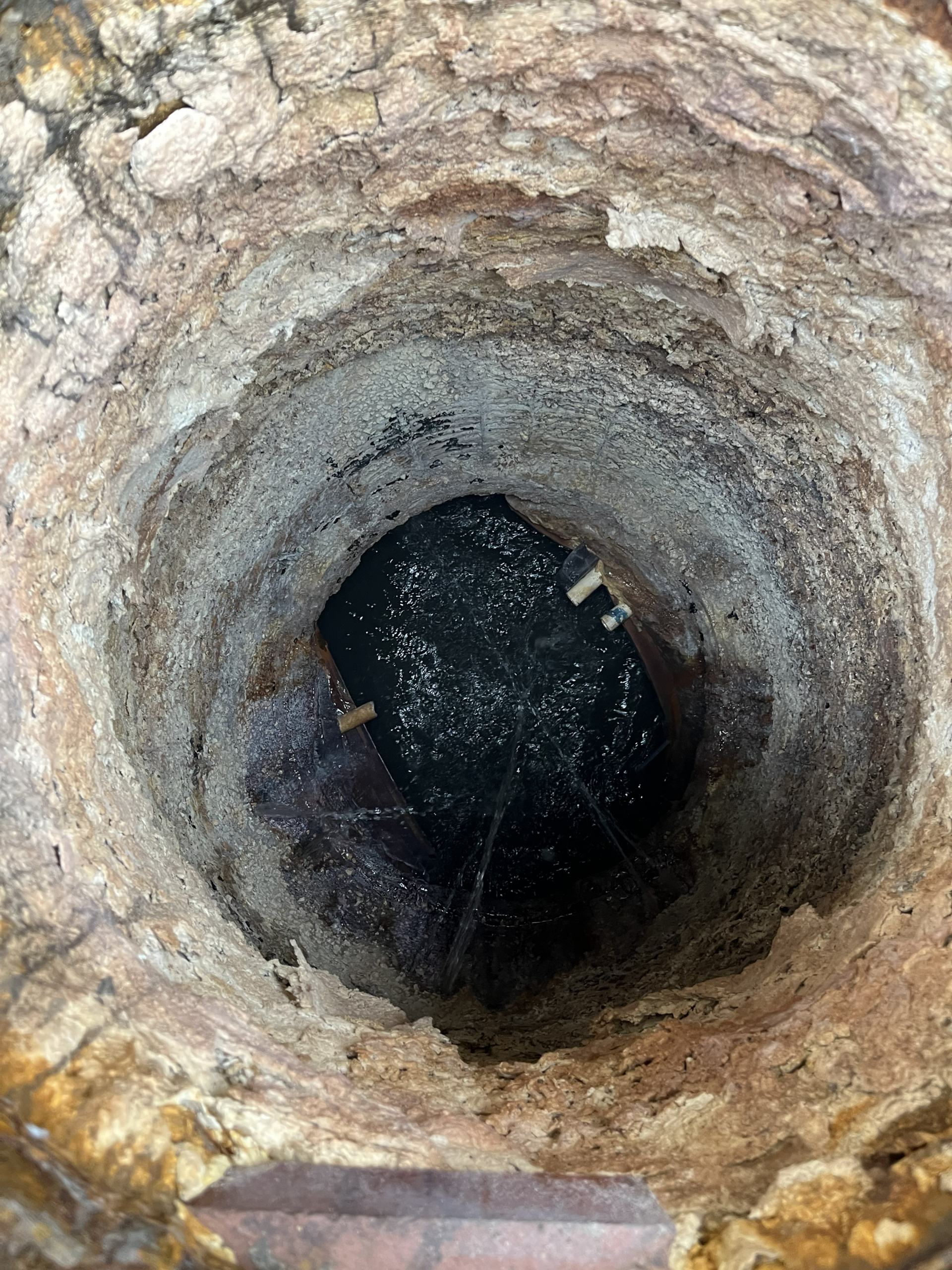
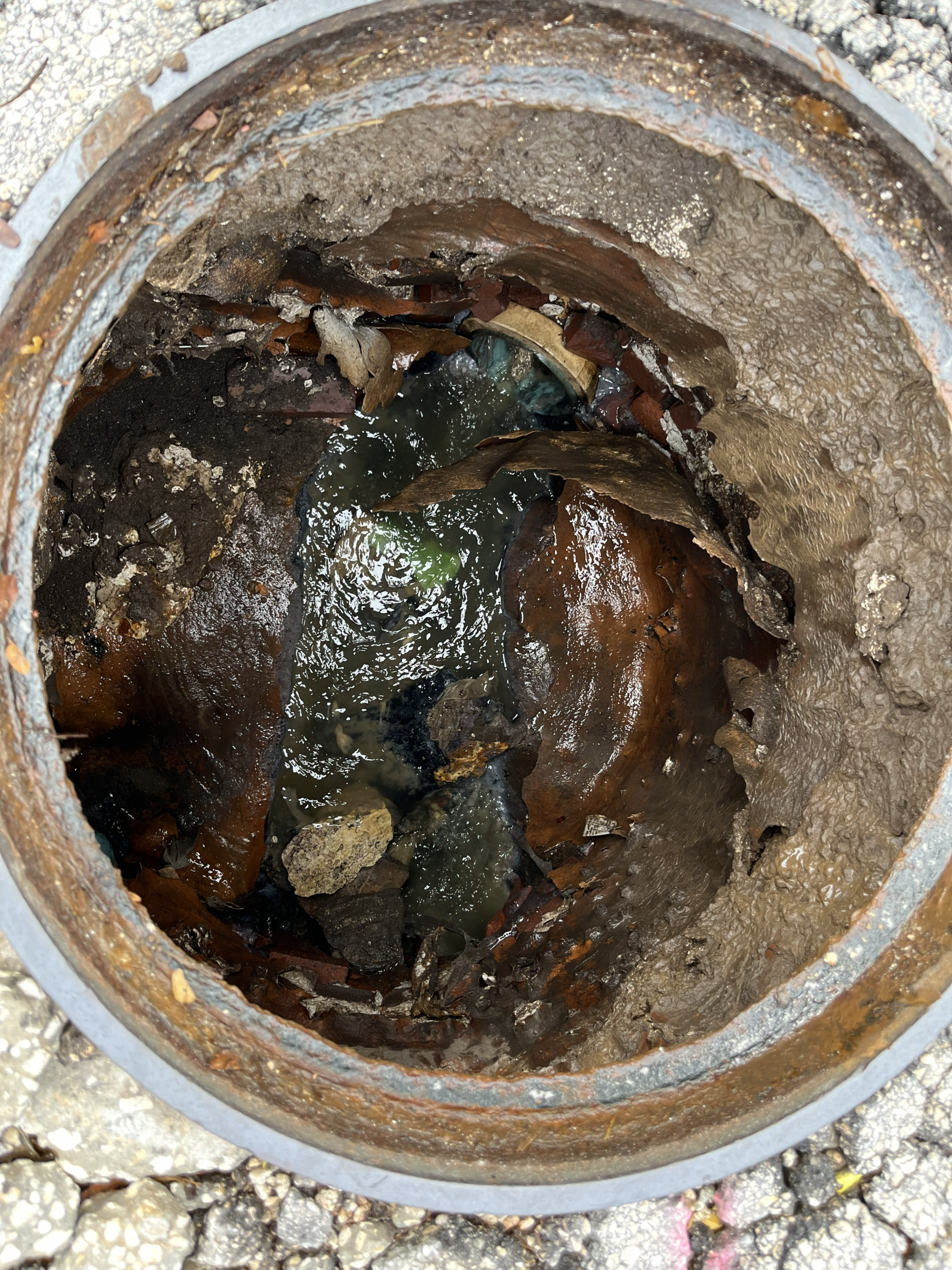
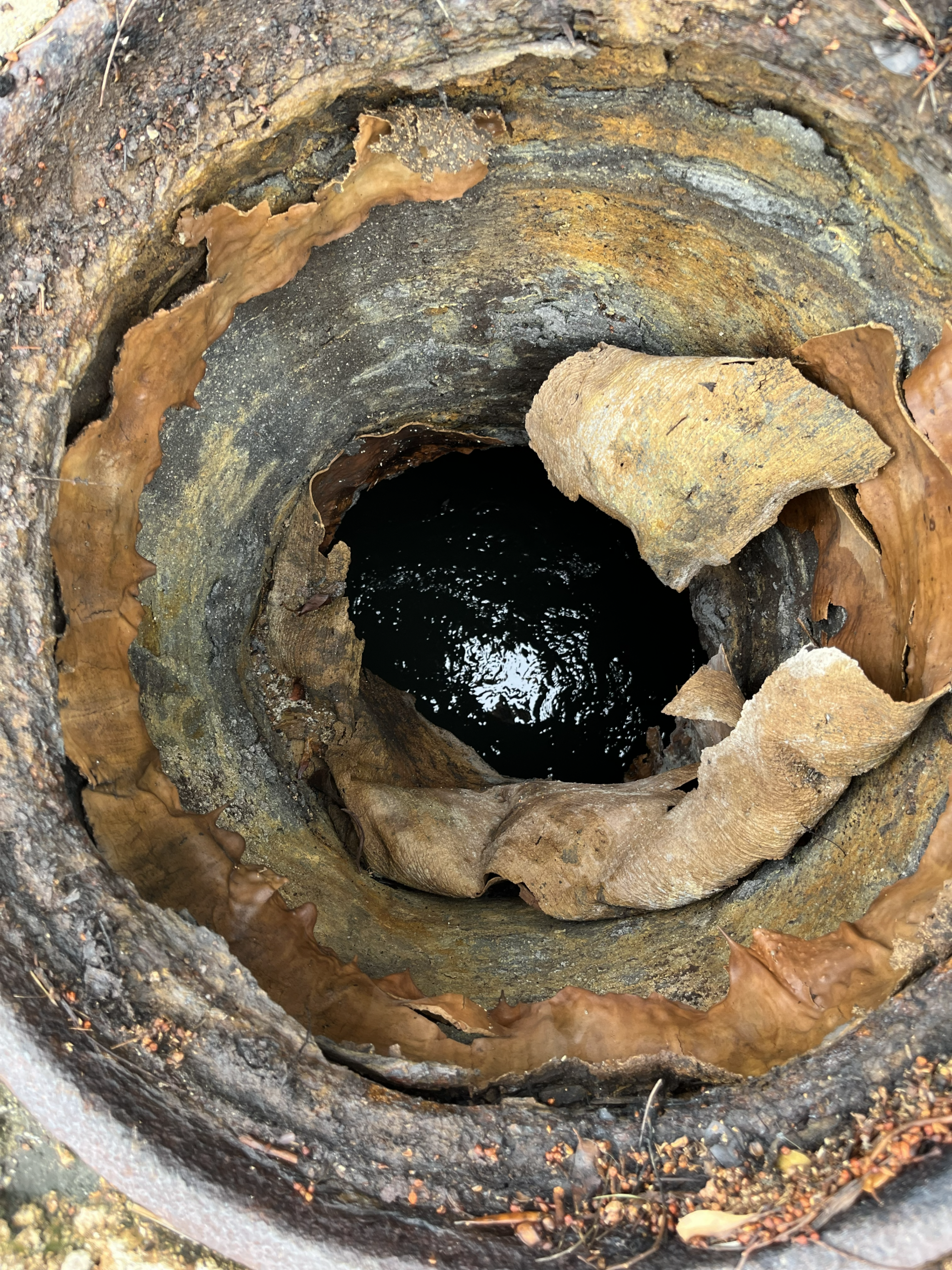
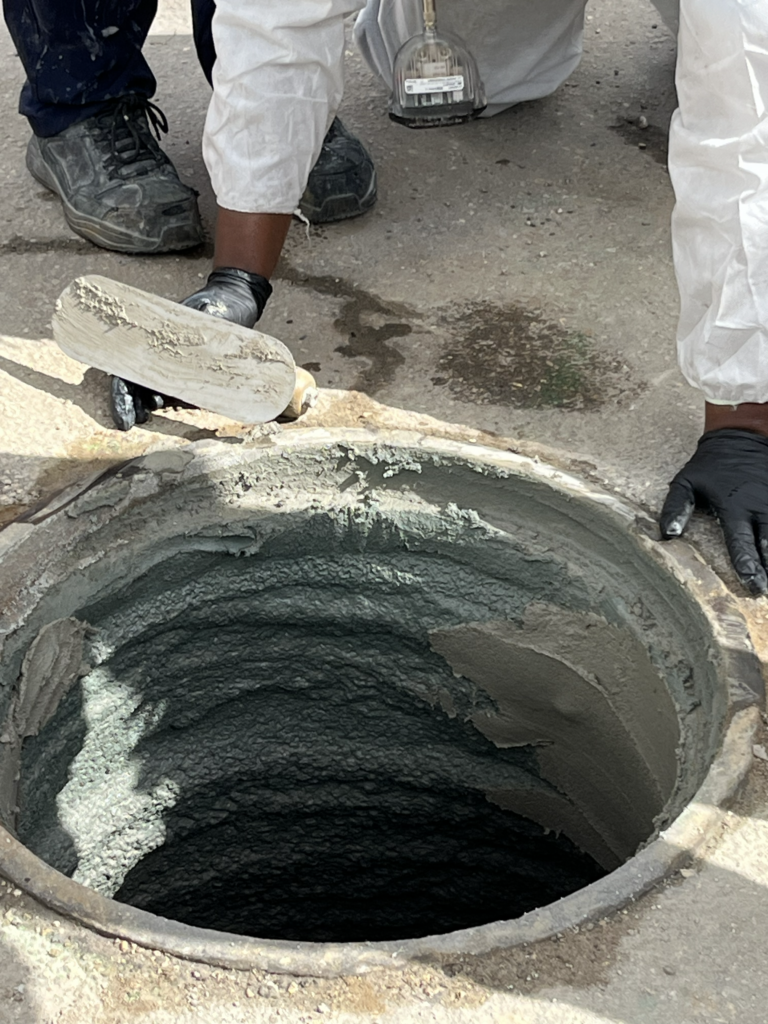
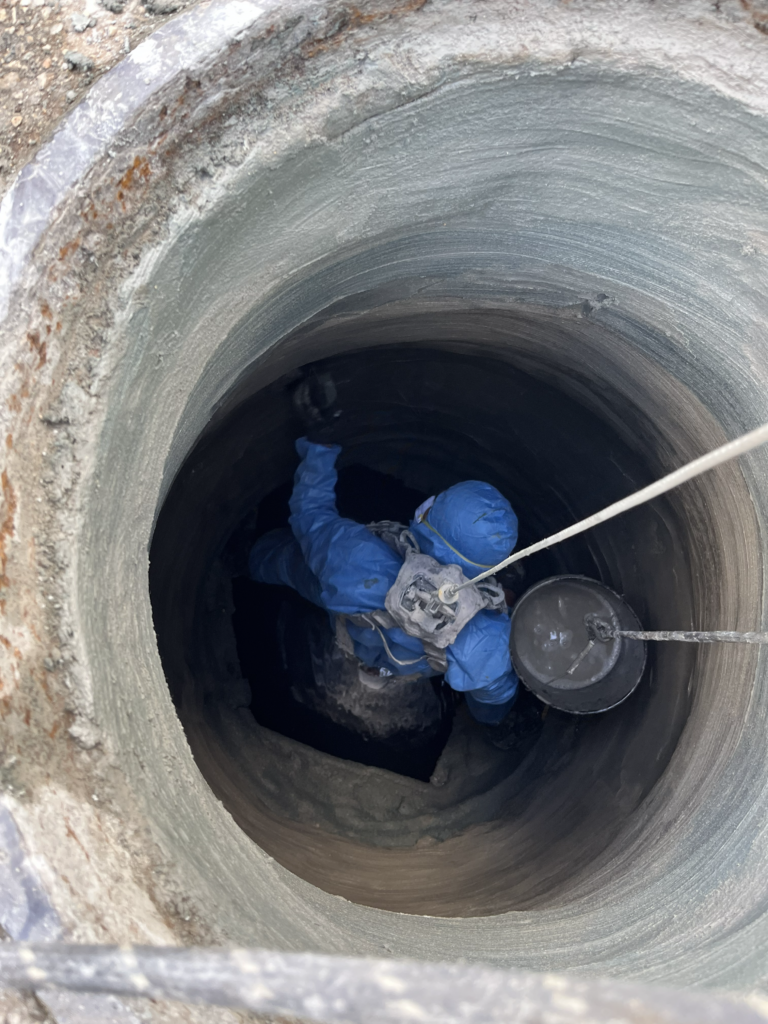
Between 2022 and 2025, a Florida water and sewer department undertook one of the largest manhole rehabilitation programs in the region to address extensive deterioration within its wastewater collection system. The work was carried out by a certified LOCTITE GeoSpray installer, using GeoTree's LOCTITE GeoSpray and LOCTITE GeoSpray HCE geopolymer spray-applied lining system. Over a three year period more than 1,600 manholes, that had been affected by decades of microbial induced corrosion (MIC), were rehabilitated restoring critical infrastructure.
Many of the rehabilitated manholes were located above a 72-inch sanitary sewer trunk line that serves as a critical component of the region’s wastewater network. Many installations were concentrated along one of the region’s main roadways running through the city.
Interesting in achieving similar results?
Get in touch with our experts to explore the right solution for you needs...
THE CHALLENGE
Much of the infrastructure had been in service for several decades and despite previously undergoing repairs, deterioration continued to progress.
Manhole depths ranged from approximately six to eight feet and up to 12 to 15 feet along the road. The combination of aging infrastructure, heavy traffic volumes, and significant structural deterioration created a demanding rehabilitation environment.
CHOOSING THE RIGHT REHABILITATION METHOD
The district had previously used both epoxy coatings and cementitious geopolymer lining technologies in its rehabilitation projects, with contracts are awarded through a competitive public bidding process.
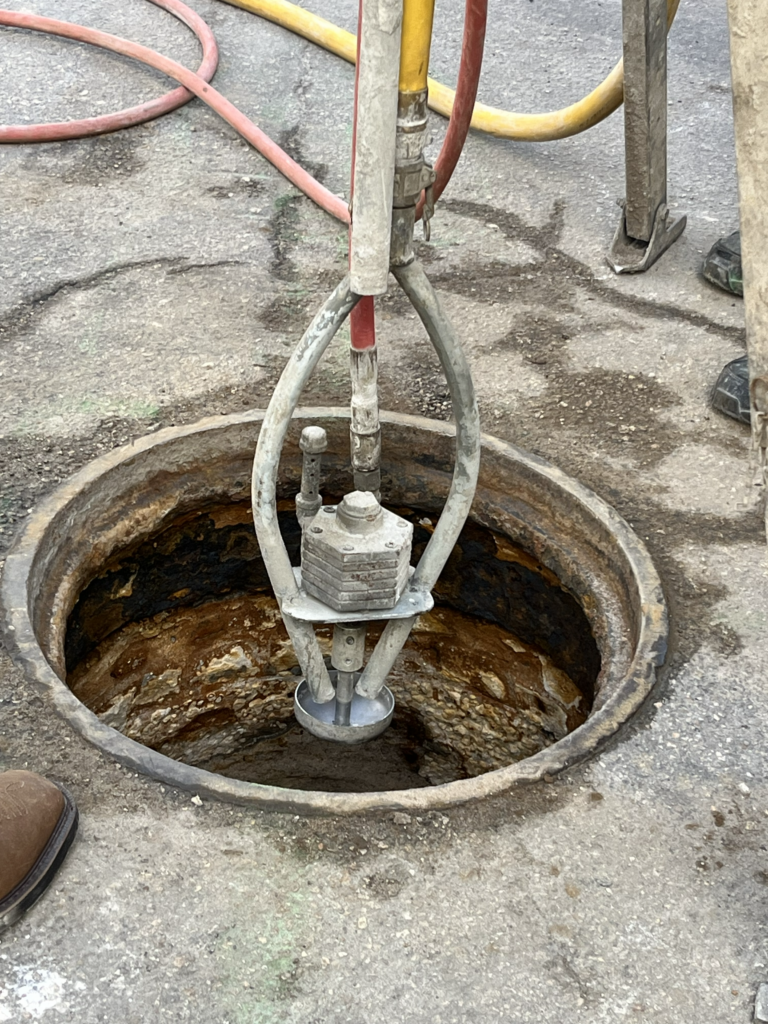
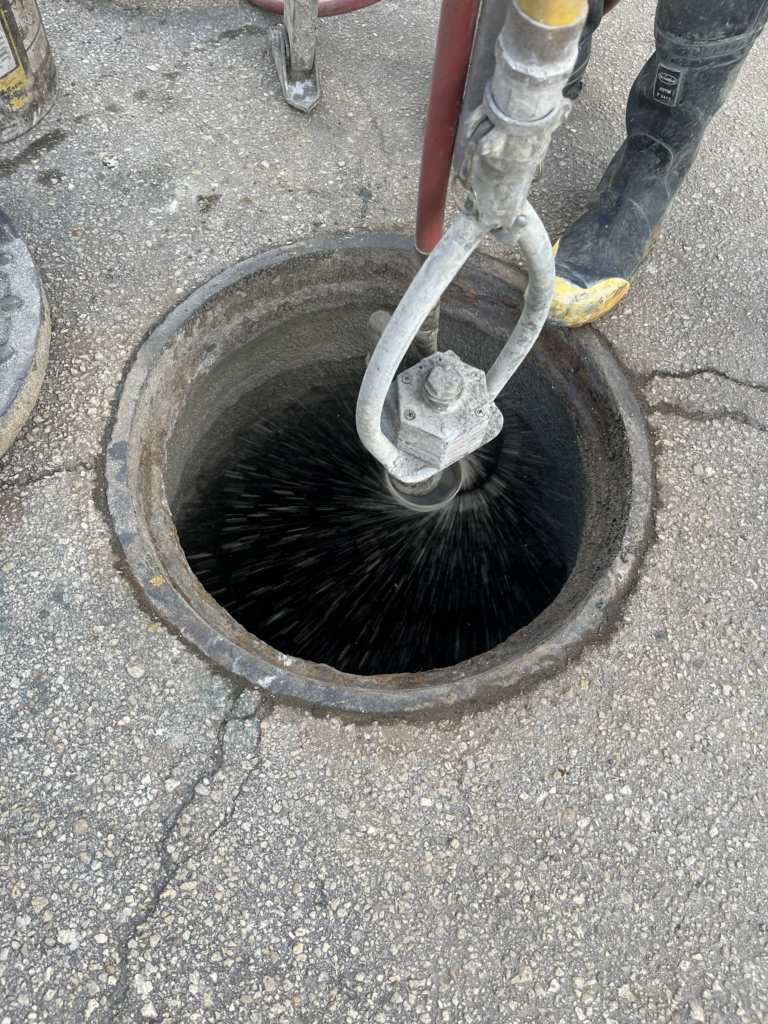
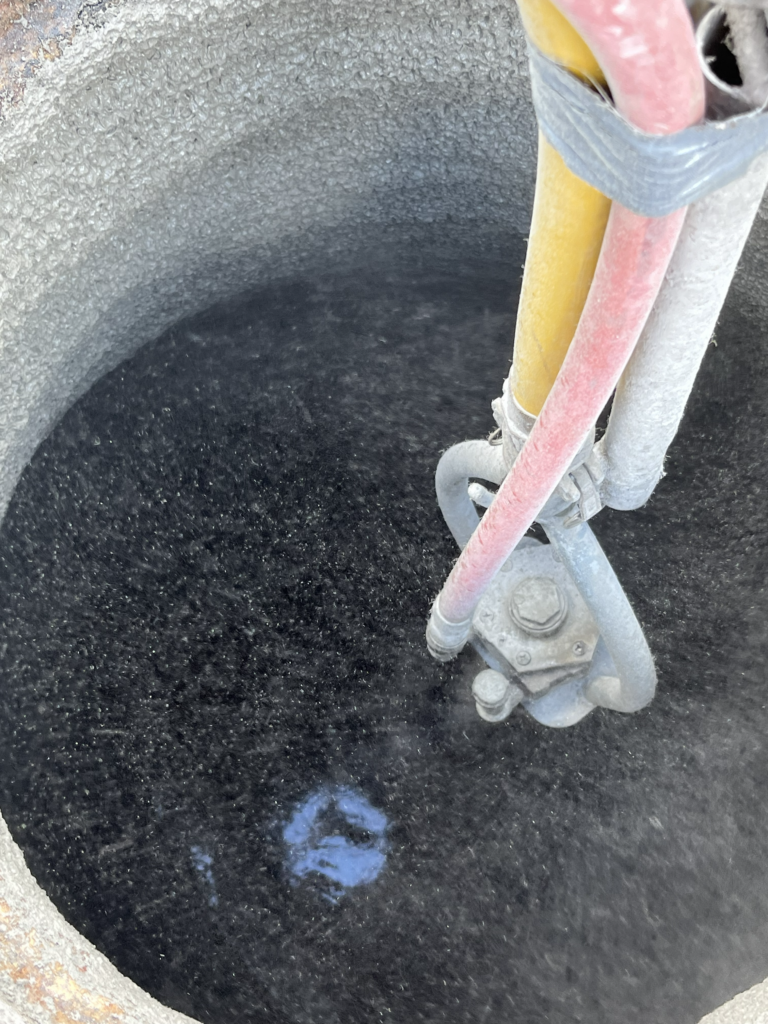
Having extensive experience with multiple rehabilitation technologies throughout Florida and across the United States, the project’s installer evaluated the available options and selected GeoTree's LOCTITE GeoSpray HCE geopolymer lining system as the primary rehabilitation solution. Neopoxy NPR-5305 Epoxy was selected as the preferred secondary coating for the most highly corrosive areas.
Geopolymer was selected for multiple reasons including ease and efficiency of installation, proven long-term performance in aggressive wastewater environments, structural restoration capabilities and cost-effective engineering solution.
INSTALLATION DETAILS
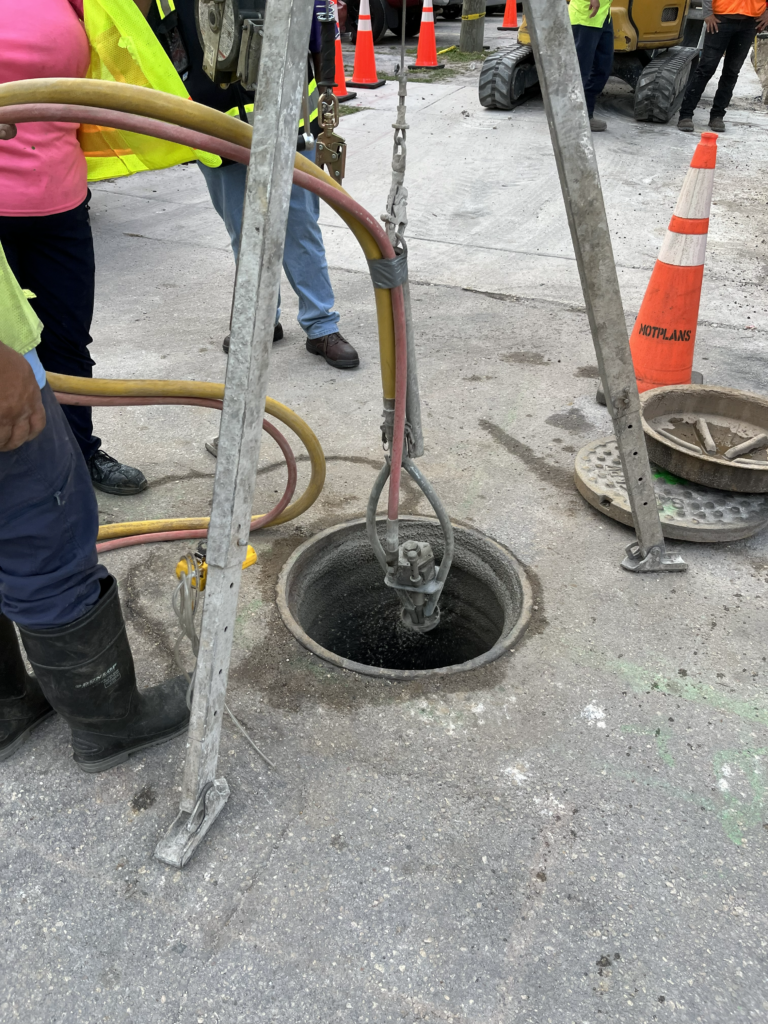
Although the overall program involved more than 1,600 manholes, each structure was rehabilitated individually. Depending on the depth and severity of deterioration, complete rehabilitation of a single manhole, including cleaning, surface preparation, and lining installation, typically required only three to six hours.
Nighttime installation was frequently employed to reduce traffic impacts and maintain access along key transportation routes. Among the 1,600 rehabilitated structures, approximately 15 manholes were identified as critical special cases due to exceptionally severe MIC deterioration.
Some of these severely deteriorated manholes required the use of injection grouting and also using GeoSpray HCE as the build out mortar to plug holes, fill gaps to stop groundwater infiltration and generally structurally stabilize and build back the original structure. As an added measure of protection, the completed GeoSpray HCE lining was coated with an additional layer of corrosion-resistant Neopoxy NPR-5305 Epoxy after the geopolymer had cured. This additional protective coating was applied to enhance durability and extend service life in these particularly aggressive environments.
RESULTS:
The program successfully restored more than 1,600 deteriorated manholes across the region's wastewater network, providing a long-term rehabilitation solution.Both the district and the installer were delighted with the outcome of the project noting the ease of installation, efficiency of the rehabilitation process, and the completeness of the finished lining system.