SANITARY/STORM SEWER
SUMMARY
Problem: Century‑old masonry stormwater arch drains in Mumbai suffered structural deterioration, cracks, and collapses. Solution Provided: BMC implemented India’s first large‑scale trenchless geopolymer lining program using LOCTITE GeoSpray. Cost of Project: Phase one investment of approximately ₹535 crore (≈ US$57.6 million), covering around 14.5 km of critical drains. People Affected: Millions of Mumbai residents and commuters benefit from improved flood resilience, reduced waterlogging, and minimal surface disruption during construction.Background
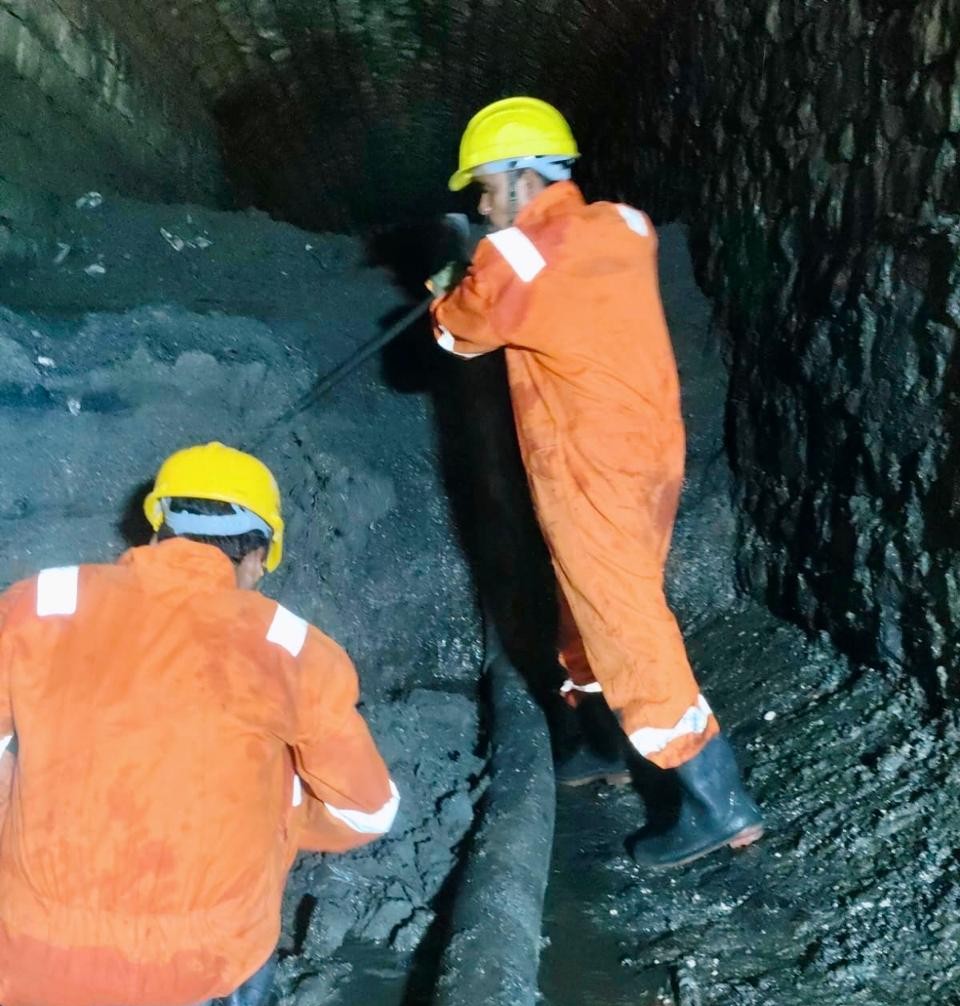
Mumbai’s stormwater drainage system, much of it constructed during the British colonial period more than 100 years ago, has reached a critical stage of deterioration. Structural failures, cracks, displaced brickwork, mortar loss, and localised collapses have increasingly compromised flood resilience in one of the world’s most densely populated coastal cities. To address this growing risk, the Brihanmumbai Municipal Corporation (BMC) launched India’s first large-scale trenchless geopolymer lining initiative, targeting 27 critical arch drains spanning more than 14km as phase one of a major rehabilitation project.The Issue
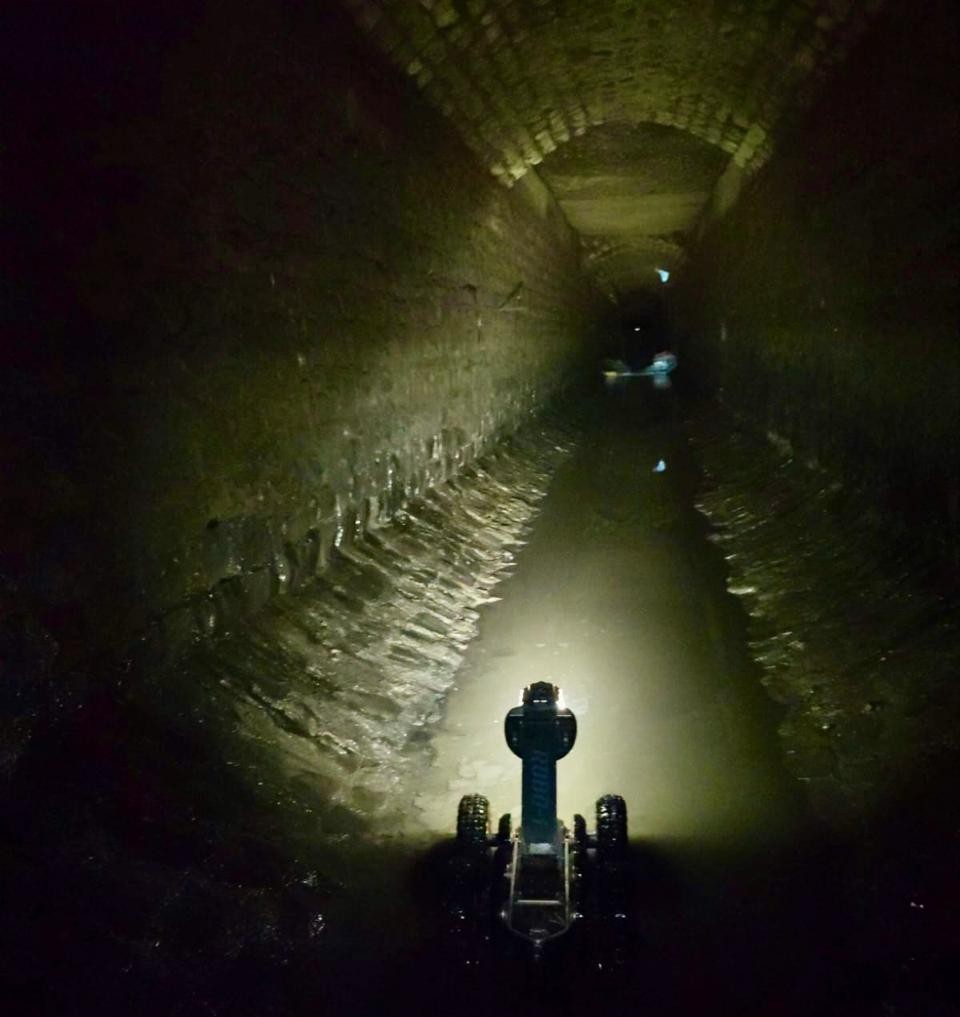
Mumbai faces a unique collection of challenges including Century-old masonry arch drains designed for historical rainfall patterns; Intensifying monsoon events, with rainfall reaching 1,000 mm over short durations; Dense urban development, making excavation and replacement of old infrastructure impractical and Hightide backflow conditions affecting drain discharge into the Arabian Sea. BMC commissioned CCTV surveys that identified 56 damaged stormwater arch drains covering more than 23.5 km, with 27 segments classified as critical and requiring urgent intervention prior to the next monsoon season. Traditional repair approaches, such as demolition and reconstruction, would have required prolonged road closures and major surface disruption. Other pipelining and sewer rehabilitation technologies, while functional, also presented installation requirements and construction practices that increased disturbance and cost.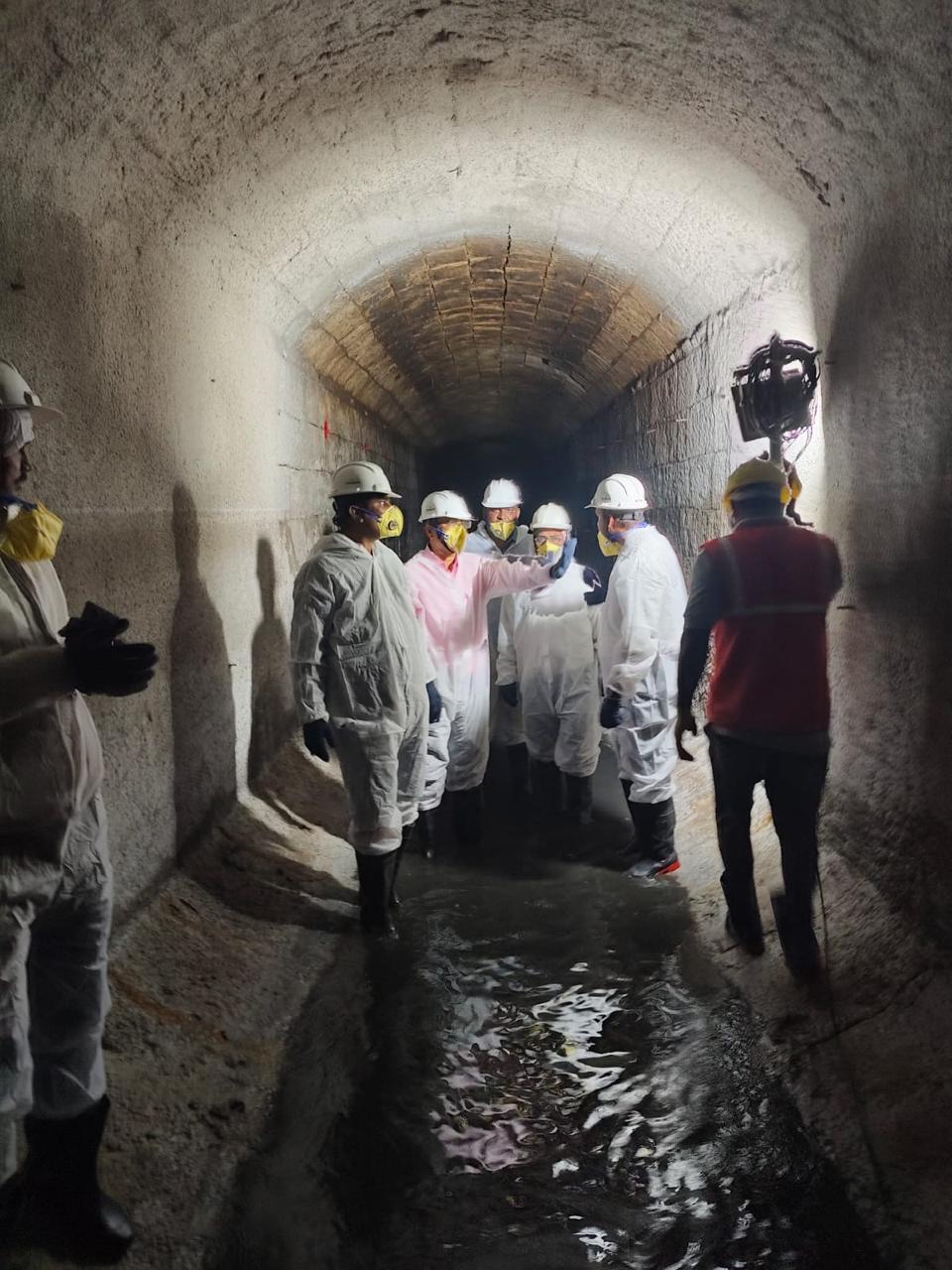
The Solution
Following technical evaluations conducted in collaboration with IIT Bombay and Veermata Jijabai Technological Institute (VJTI), BMC’s technical advisory committee selected Henkel’s LOCTITE GeoSpray geopolymer spray-applied pipe lining (SAPL) as the best solution. Geopolymer was chosen as it met several critical performance requirements:- Structural Reinforcement: LOCTITE GeoSpray forms a pipe-within-a pipe lining that restores structural integrity to deteriorated brick and masonry drains, sealing cracks and stabilising weakened sections.
- Hydraulic Performance Improvement: The smooth geopolymer surface improves flow velocity and discharge efficiency, directly addressing waterlogging risks during peak rainfall.
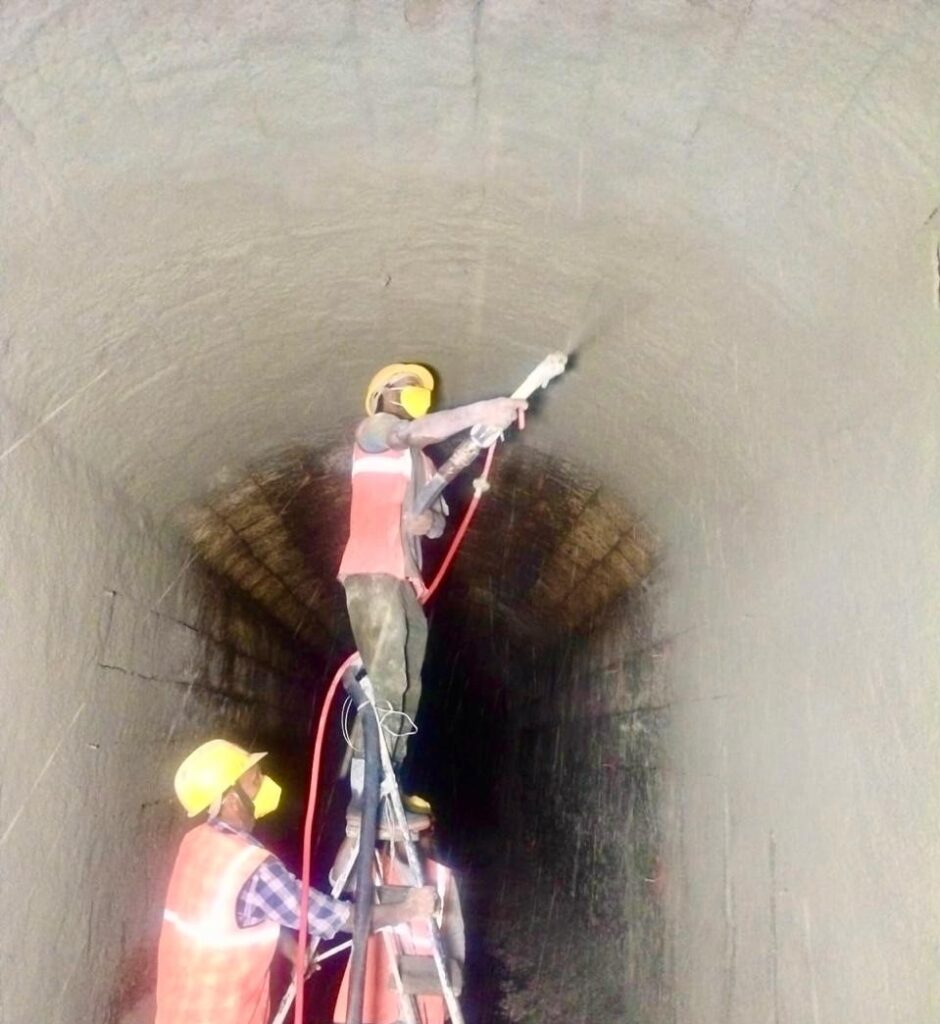
- Trenchless Application: LOCTITE GeoSpray is spray-applied, eliminating the need for surface excavation and local avoiding disruption.
- Application Flexibility: Application could be planned during night time hours where interference to residents and commuters is minimized.
- Durability and Longevity: The lining is expected to extend drain service life by at least 50 years, significantly deferring capital replacement costs.