Water Main Structural Strengthening
PROJECT BACKGROUND
In August 2024, the City of Montréal experienced a major infrastructure emergency when a 2100 mm (84‑inch) prestressed concrete cylinder pipe (PCCP) ruptured along René‑Lévesque Boulevard, close to the Jacques‑Cartier Bridge. The pipe forms part of an 8km critical transmission main supplying drinking water from two filtration plants to key reservoirs serving over 1.3 million residents.
Originally installed in 1985, the pipeline had undergone routine inspections, including detailed electromagnetic testing in 2018. While some deterioration had been identified, predictive modelling suggested the asset had at least another decade of service life remaining. Despite this, the unexpected failure resulted in the loss of approximately 40 million litres of potable water, widespread flooding, road closures, service interruptions, and the displacement of more than 140 residents.
Following emergency repair of the failed section, the City initiated further inspections to assess the condition of adjacent pipe segments and determine
an appropriate long‑term remediation strategy.
DETAIL
- 40 million litres of potable water lost, and 140 residents displaced after water line rupture.
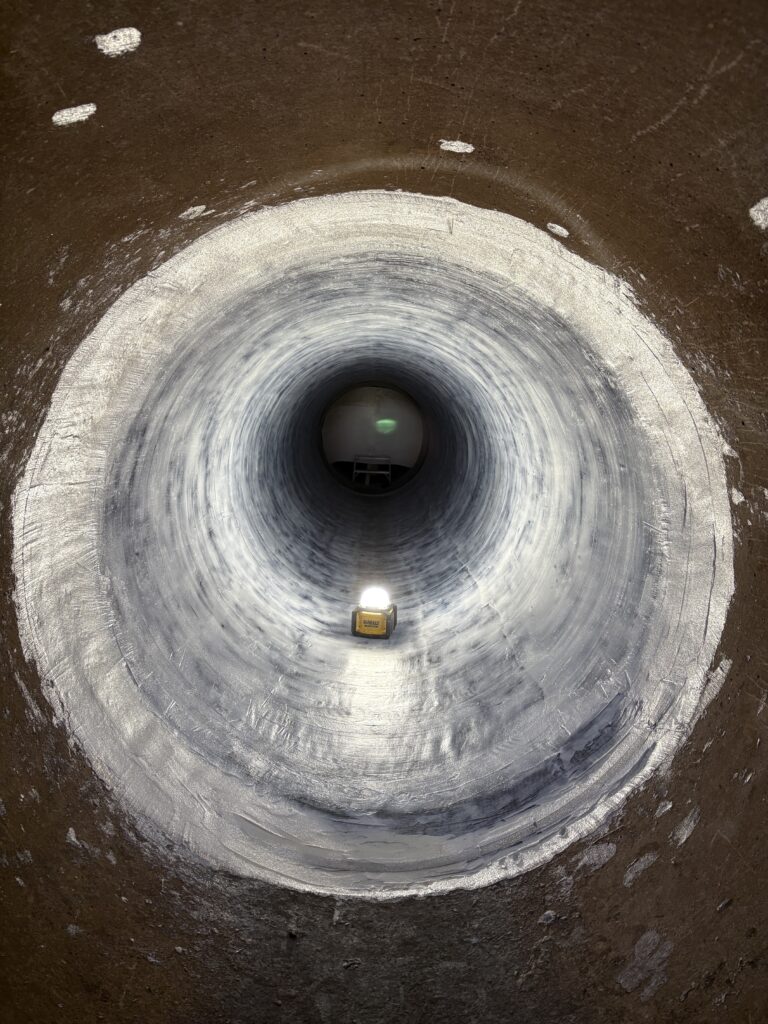
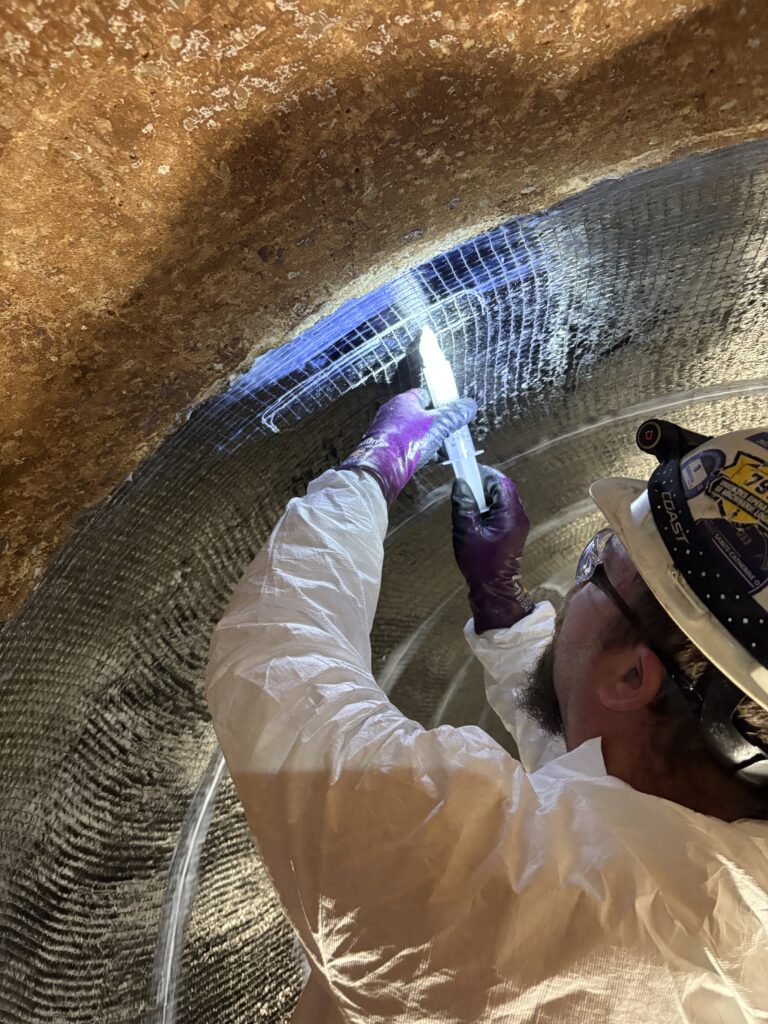
- Fyfe provided internal, fully structural trenchless rehabilitation solution using Carbon Fiber Reinforced Polymer (CFRP) to strengthen the four critical pipe segments.
- Durable, long‑term asset renewal solution delivered.
THE ISSUES FACED BY THE CLIENT
Subsequent inspections revealed ongoing deterioration in multiple pipe segments, including an increase in broken prestressing wires compared to earlier inspection data. Four additional pipe sections were identified as structurally deficient and at risk of future failure.
The city faced several critical challenges:
- Risk of repeat failures on a vital transmission main
- Sensitive to public's impact in response to the August pipeline failure
- Constraints on excavation, given the pipe’s location beneath major arterial roads
- The need to minimize traffic disruption and community impact
- Challenging winter conditions, with repair works required during Montreal’s harsh cold season
Traditional open‑cut replacement would have resulted in prolonged road closures, high social costs, and significant disruption to water supply resilience.
THE SOLUTIONS PROVIDED BY FYFE
Fyfe partnered and trained local utility crews (Eurovia Québec Grands Projects) and an engineering consultant firm (Game Consultants) to deliver a turnkey solution. Invaluable technical support was provided by Ville de Montréal’s Water Service – Division of Engineering (Service de l'eau - Division de l'ingénierie) to support development of the repair solution.
Fyfe’s CFRP system was designed in accordance with AWWA C305 standards and provided a fully standalone structural liner capable of restoring the pipe’s load‑carrying capacity under all operating, surge, vacuum, thermal, and external loading conditions. The system was also NSF‑61 certified, ensuring full compliance with potable water regulations.
Key elements of Fyfe’s solution included:
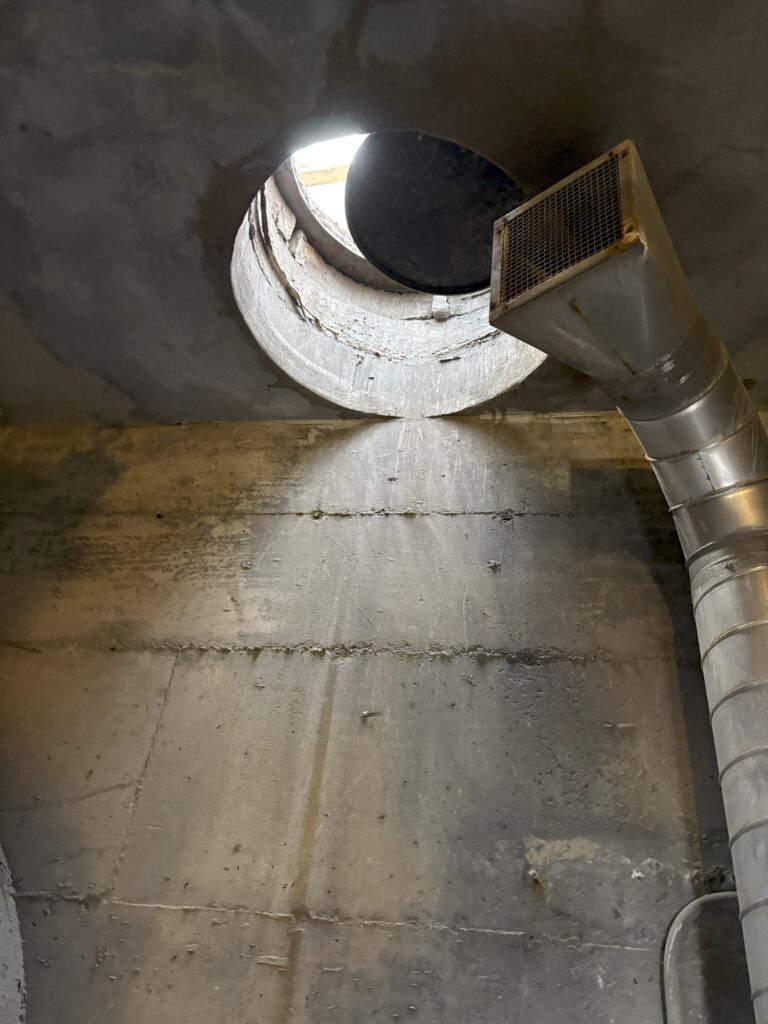
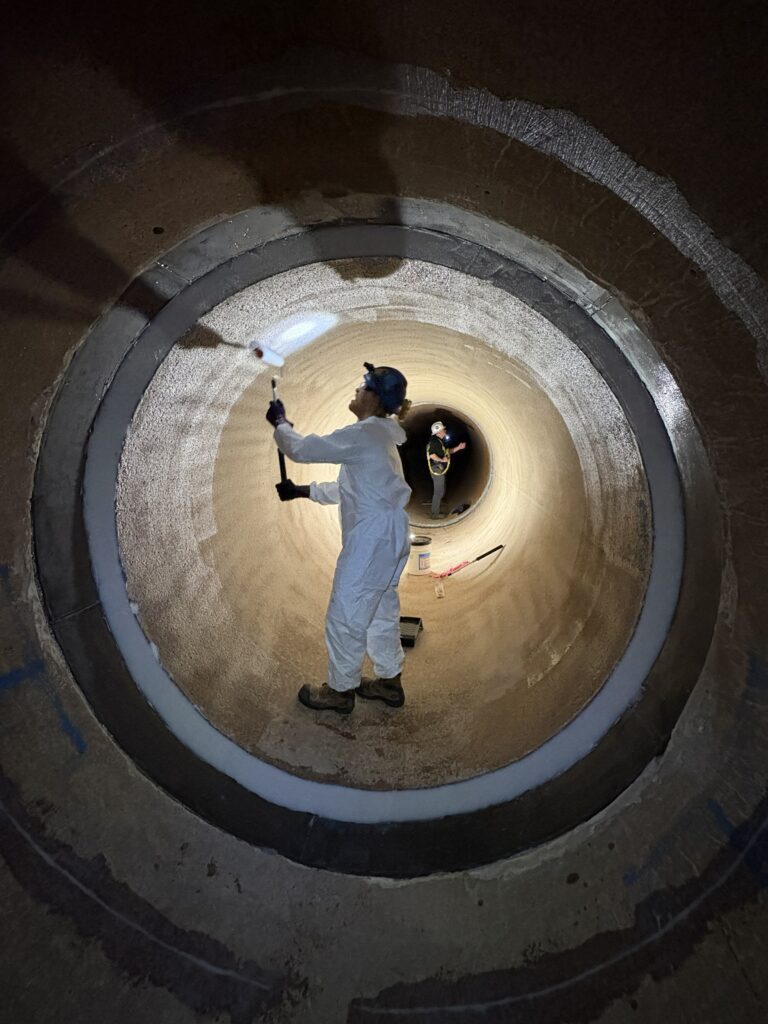
- Internal access via existing manways and valve chambers, avoiding surface excavation
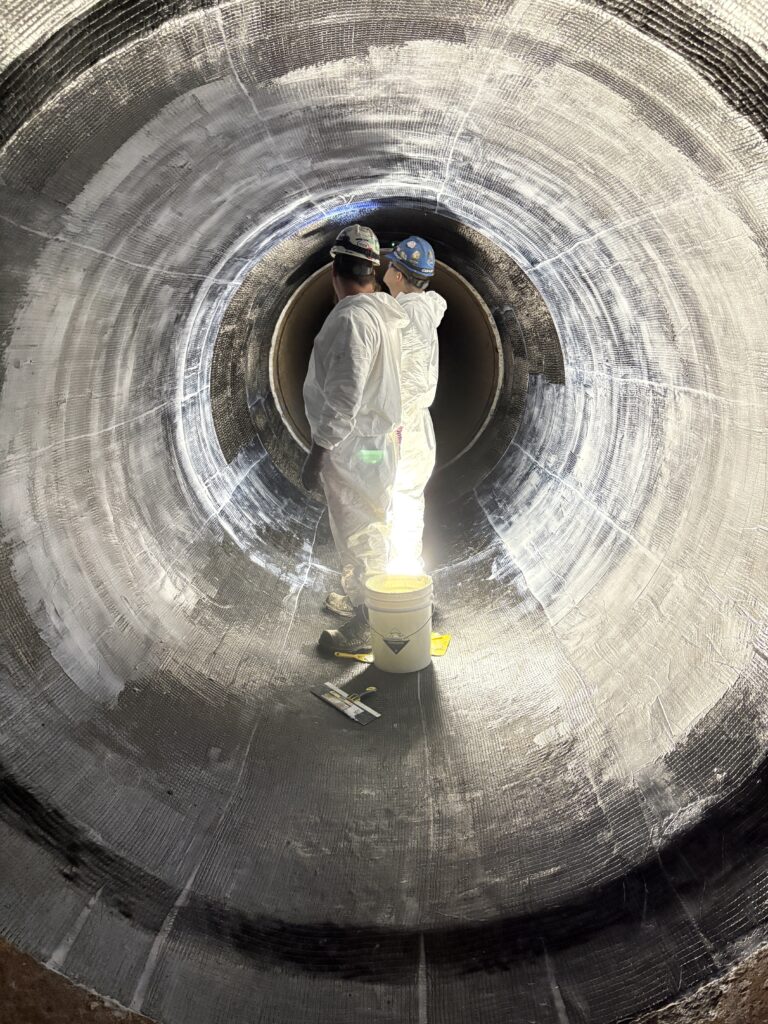
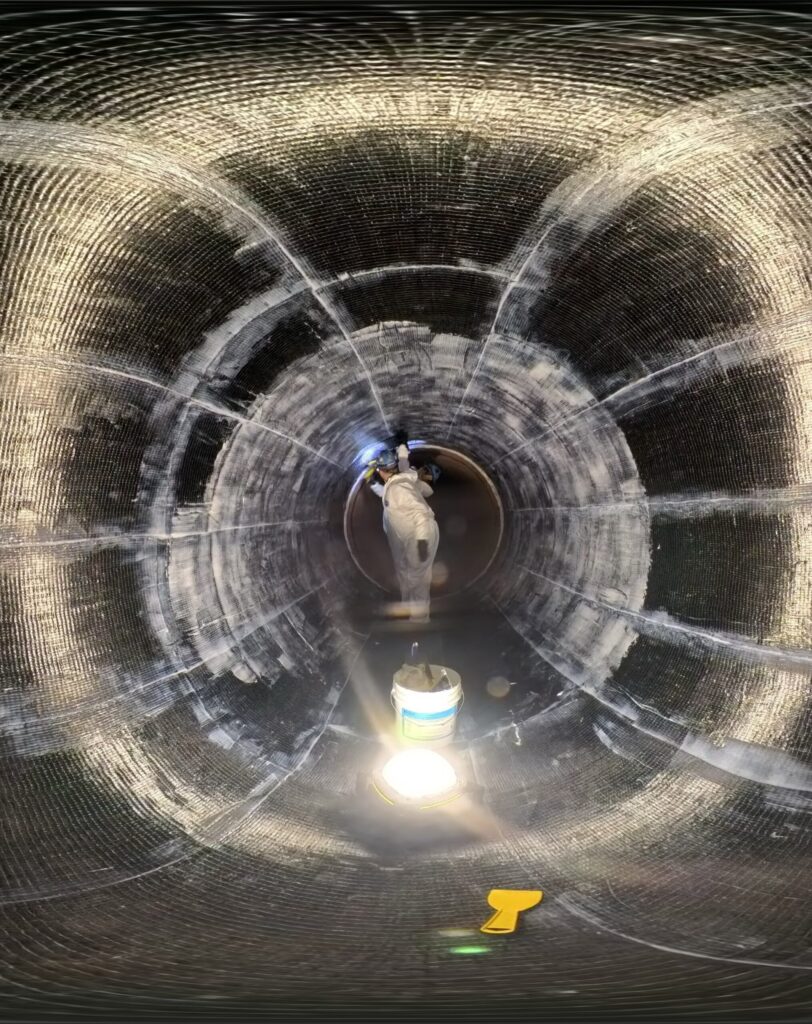
- A unidirectional CFRP system installed longitudinally and circumferentially to address governing limit states
- A watertight glass‑fiber layer to protect the composite and enhance durability
- A phased installation approach to manage logistics and service continuity
Fyfe also provided comprehensive installer training, certification, and onsite technical oversight, enabling local contractors to safely and effectively deliver the works under demanding conditions. Field oversight and quality control inspections, throughout CFRP installation process, were jointly administered by members of Fyfe and Game Consultants, a local engineering partner, and City of Montréal inspectors.
CHALLENGES FACED THROUGHOUT THE PROJECT
The project presented several complex challenges:
- Extreme winter weather, including record snowfall and sustained sub‑zero temperatures
- Highly variable internal pipe temperatures, particularly during Phase 1 where pipe segments were widely spaced
- Temperature‑sensitive curing requirements, critical to achieving required CFRP material properties
- Restricted access and long distances inside the pipeline, complicating heating, ventilation, and logistics
- A newly trained installation crew, requiring enhanced quality control and supervision
These conditions significantly affected productivity, cure times, and sequencing during the early stages of the project.
HOW FYFE OVERCAME THEM
Fyfe worked collaboratively with the city, contractor, and inspection teams to overcome these challenges through proactive engineering, adaptive site controls, and rigorous
quality management.
Key mitigation measures included:
- Designing and implementing temporary heated and insulated work enclosures
- Deploying multiple electric heater banks, baffles, and bulkheads to control zonal temperatures
- Continuous temperature and humidity monitoring using data loggers
- Adjusting work sequencing o prioritise colder, more remote pipe sections first
- Increasing field inspection frequency, including daily intermediate layer inspections
- Conducting daily witness sample testing to verify material properties and curing performance
- Providing ongoing technical support from Fyfe’s CFRP specialists throughout installation
As a result, productivity improved significantly during Phase 2, with shorter installation durations, more consistent curing conditions, and enhanced crew efficiency.
PROJECT SUMMARY
Despite being delivered under emergency conditions and during one of the harshest winters on record, the Montréal CFRP rehabilitation project was completed successfully and safely.
Fyfe’s CFRP solution restored the structural integrity of four critical pipe segments without further excavation, minimised disruption to the city’s transportation network, and significantly reduced social and economic impacts compared to traditional replacement methods.
The project demonstrated the value of trenchless CFRP rehabilitation as a reliable, fully structural solution for large‑diameter water transmission mains, particularly in urban environments where access, resilience, and public impact are critical considerations.
Ultimately, the City of Montréal secured a durable, long‑term asset renewal solution while reinforcing public confidence in its water infrastructure—delivered through Fyfe’s expertise in advanced composite engineering and field‑proven CFRP technology.